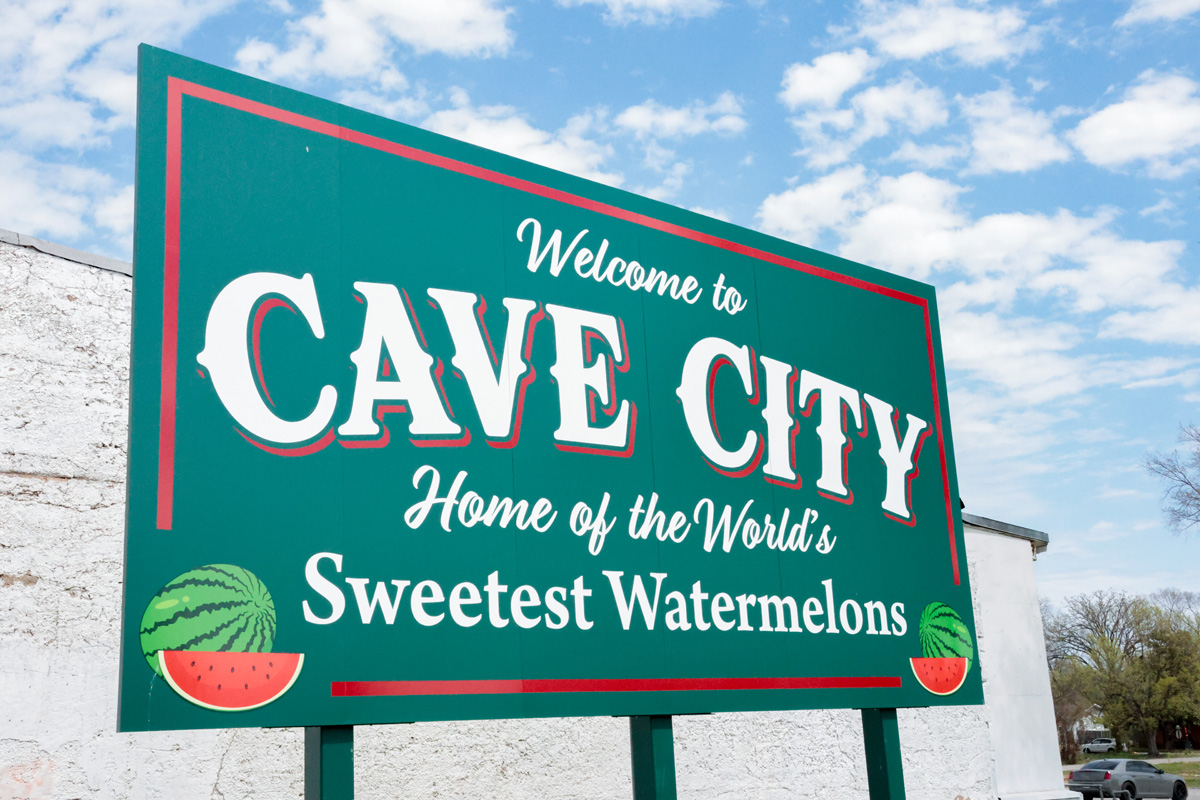
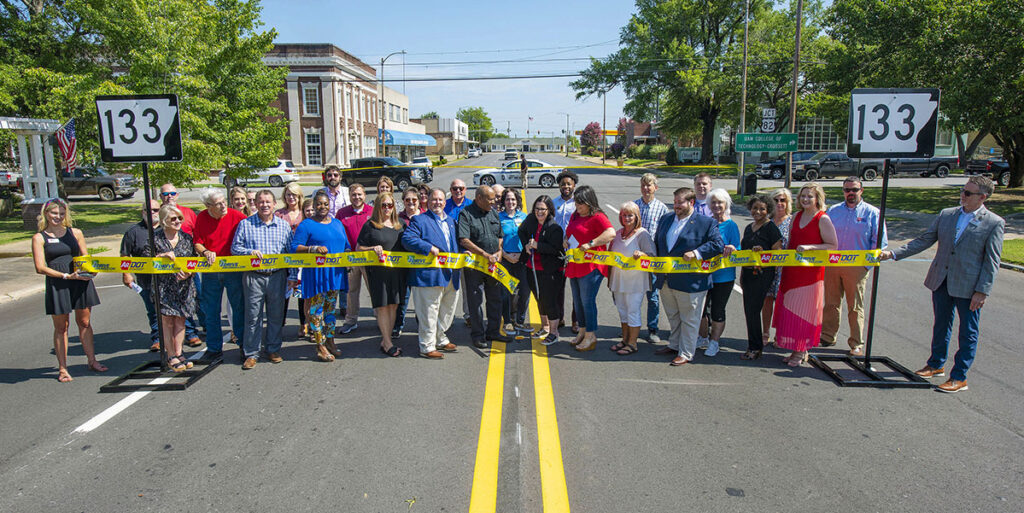
It’s been a little more than a year since an EF-3 tornado with 165-mile-per-hour winds cut a 94-mile path across north Arkansas and into southeastern Missouri on the night of March 14, 2025. The storm cut through the heart of Cave City in Sharp County, effectively bisecting the community, leaving damaged and destroyed homes and businesses behind. Five million pounds of debris later, the scars remain, but signs of recovery abound in the city of 2,000 residents. In March, City & Town visited with Mayor Jonas Anderson to check in on the progress.
FEMA denied disaster recovery funding to the city and county in the storm’s immediate aftermath. The governor appealed the decision but was again denied. Families, individuals and businesses were granted FEMA assistance, however, and that has been a great help, Anderson said. In March the city submitted storm-related expenditures to the Arkansas Department of Emergency Management, who will be able to offer the city a 30% reimbursement. That will be the last big operational hurdle, he said. “FEMA would have been 70%, but if they can do 30% that would be amazing. I mean, yeah, we’ll take it.”
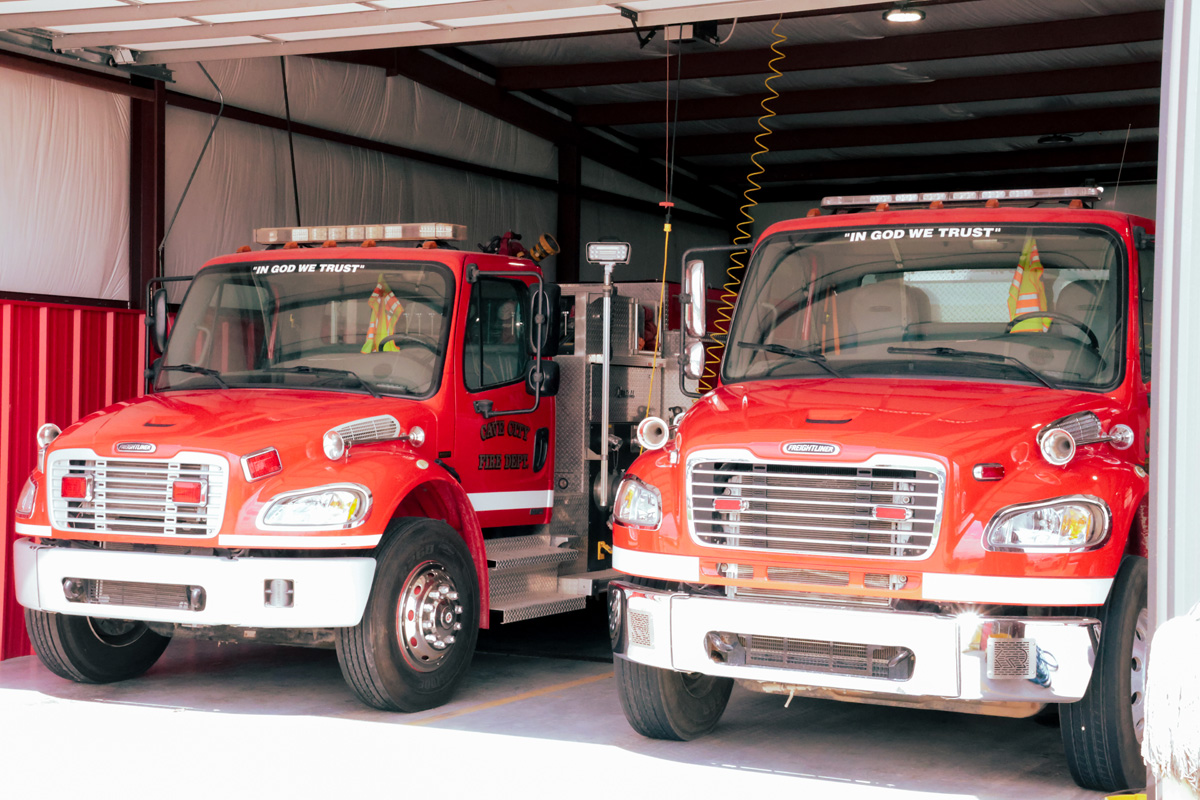
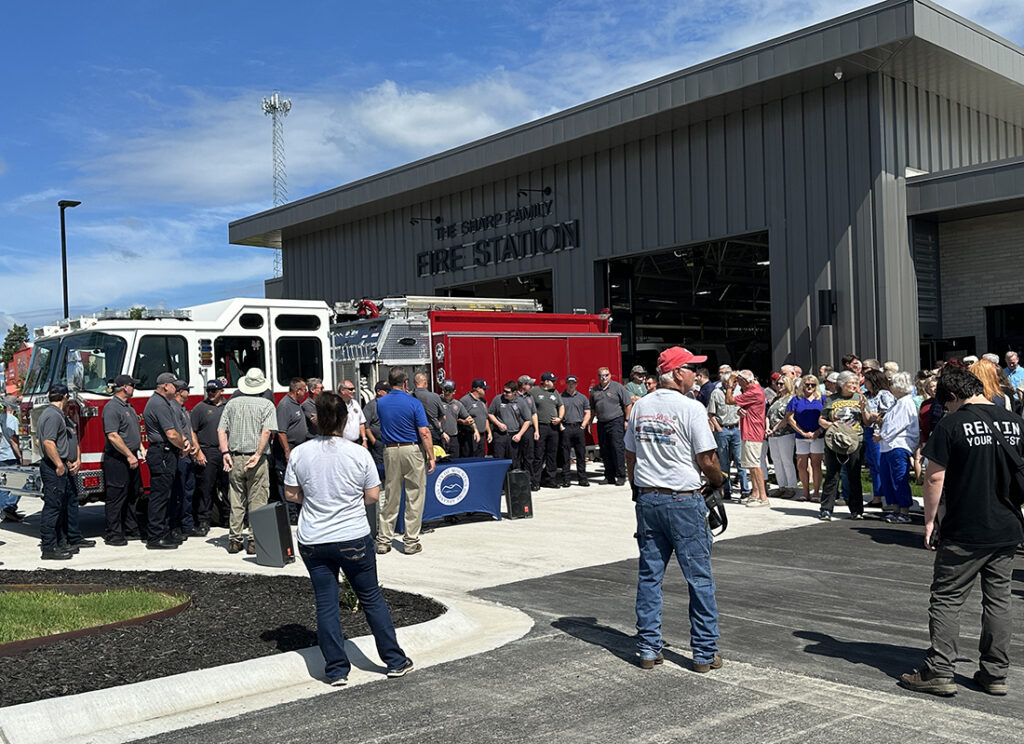
The process of repairing city hall and the severely damaged Cave City Fire Department is nearly complete, and the mayor credits the League. “The Municipal League has been very wonderful in helping us out. I’m a big advocate for the Municipal Property and Vehicle Programs. It’s been a really good process.”
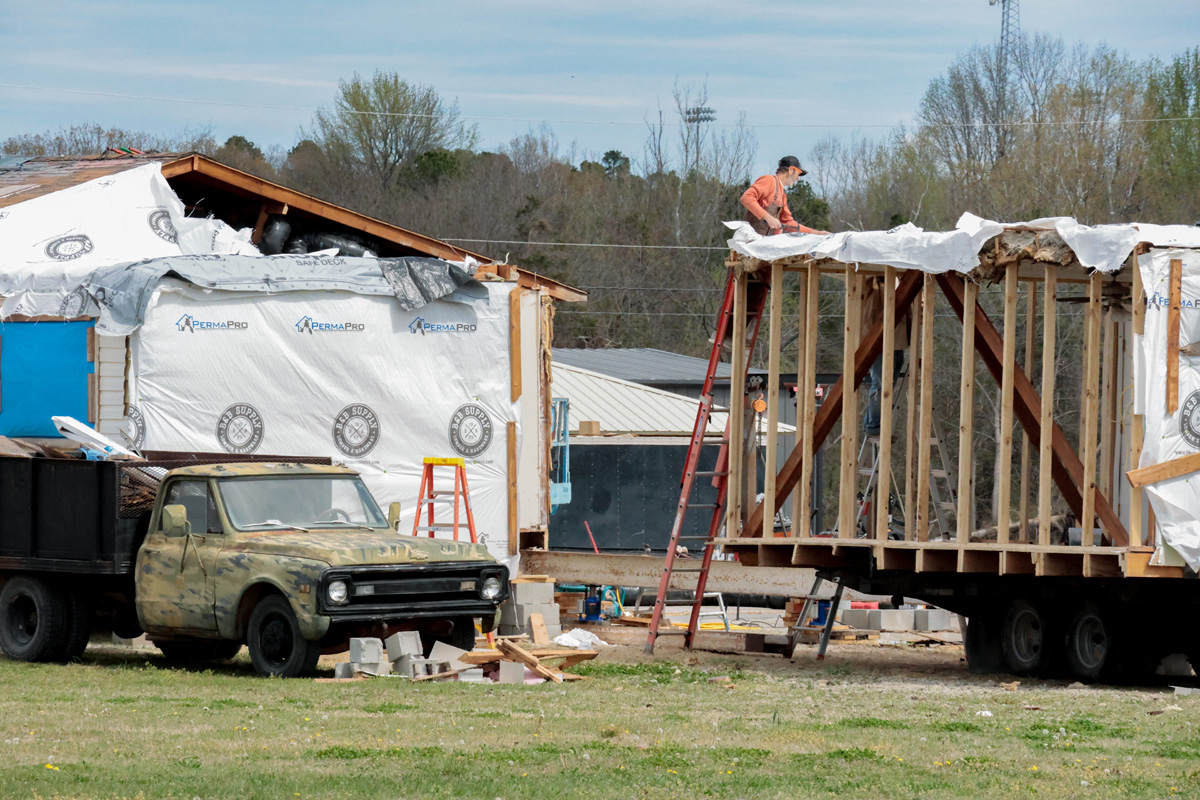
About 52 residences were damaged or destroyed, and that aspect of the city’s recovery will likely take the longest, Anderson said, in part because some owners didn’t have insurance. More than 20 of Cave City’s businesses and churches were damaged, and a few were completely destroyed. Some businesses are taking the opportunity to build back better. Qualls Funeral Home is under construction at the same location, and Walling Drug will soon open its brand new store and drive-through a block away. The local dentist, who previously worked out of a small space, is building a new larger office. Developers have acquired property on the west side of Cave City, near where the tornado first touched down, where they plan to build new housing. “That is actually something that’s going to be really helpful. And they’re going to be modest, affordable, nice houses.”