In cities and towns, we live together in relatively close proximity. Municipal ordinances are essential to reducing conflict and promoting development stability and harmony, as well as safety, security and aesthetics. In many cases, they are also essential to fulfilling a community’s obligation to protect the environment, such as reducing or managing waste. A good outdoor lighting ordinance does all of these things.
During the League’s 2026 Winter Conference, the Arkansas Natural Sky Association (ANSA), our state’s chapter of the International Dark-Sky Association (IDA), had an educational booth highlighting the importance of preserving the dark skies in The Natural State. Several city officials stopped by to request more specific guidance on implementing lighting standards in their cities and were particularly interested in what other cities across the state were doing.
The growing problem of ALAN
The use of artificial lighting at night (ALAN) outdoors has exploded over just a few generations. With the widespread availability and affordability of electricity, and with more efficient ways to light, the nighttime environment has become ever brighter and more cluttered with artificial light. In 1940, with a population of just under 2 million, only 112,050 Arkansas citizens had access to electricity in their homes. Doubtless, it was a sign of progress and an essential source of community pride when, for the first time, the town square was illuminated. But today, it is not just the town square. There is no place in the state with a completely natural nighttime environment. Access to nearly natural starry skies has diminished to the point that state and federal parks are now conserving their night skies so people can witness the universe they live in. The Buffalo National River was designated an International Dark Sky Park in 2019, and the Arkansas State Parks Department is also pursuing designations for other parks that have sufficiently dark skies. The problem is that urban lighting can spill across the sky for many miles beyond the city limits.
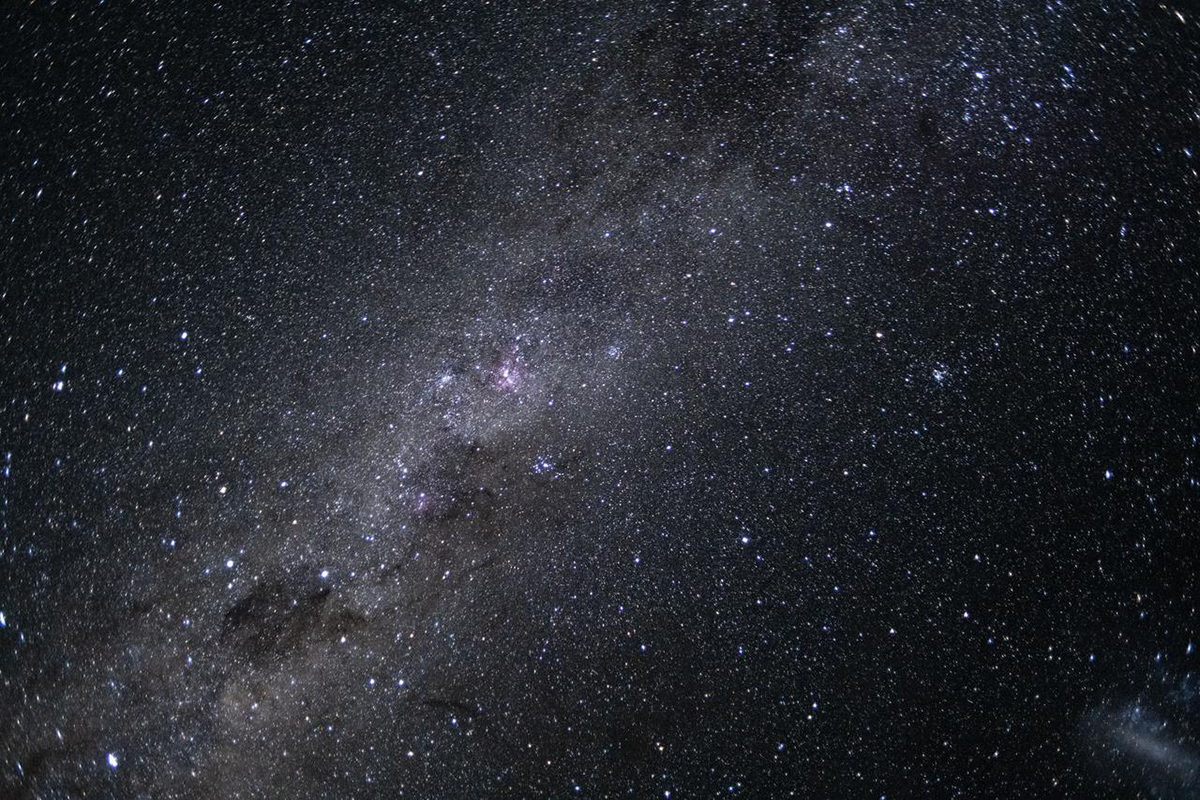
Losing the stars is not irrelevant. It is estimated that 90% of today’s youth reach adulthood never having witnessed the Milky Way Galaxy they live in. But it is not just about the stars. The widespread careless use of ALAN impacts human health and safety, wildlife, causes light trespass and degrades the aesthetics of our urban communities.
According to the American Medical Association (AMA), chronic exposure to ALAN poses an increased risk of depression, obesity, diabetes, and breast and prostate cancers. When it creates blinding glare, poorly designed lighting is a safety concern, especially for the elderly. Among other remedies, the AMA recommends reducing blue light and properly shielding and directing outdoor lighting.
ALAN impacts wildlife from bugs to birds and everything in between. The Federal Highway Administration lighting handbook now dedicates 10 pages to the environmental impacts of ALAN, charting the susceptibility of all forms of wildlife. The Illuminating Engineering Society (IES), the professionals who study the design and usage of artificial light, in its publication Environmental Considerations for Outdoor Lighting, notes: “The introduction of exterior lighting will often have a profound effect on the natural world. It may change complex ecosystems in ways that are not immediately obvious or easily discernible.” According to the journal Science, North American bird populations have fallen by almost 30% since 1970. It is estimated that excessive urban lighting is a major factor in the deaths of up to 1 billion birds each year during migration, prompting the Audubon Society to partner with International Dark Sky Association to promote a lights-out program during migration season.
Finally, there are aesthetic, safety and light trespass concerns. The haphazard application of excessively bright, poorly aimed, unshielded lighting, often with high blue light content, creates unpleasant, even unsafe environments due to blinding glare and uneven illumination. If it enters someone’s property where it is not wanted, trespass complaints arise. Blaring light into someone’s home is no different than blaring sound.
Causes of light pollution
In the publication Lighting Practice: Sustainable Lighting—An Introduction to the Environmental Impacts of Lighting, the IES notes: “Lack of understanding, letting lighting ‘happen’ as the result of poor planning or design, and ignoring the negative effects of light pollution are major causes of light pollution problems. While virtually everyone understands the need for light at night and has experienced a variety of night lighting effects, it is difficult to translate that experience into the process of selecting an appropriate luminaire, installing it properly, and then controlling and maintaining it. A casual look around any urban area will quickly reveal lighting situations that illustrate unnecessary or excessive lighting, glare, improper mounting of equipment, wasted light, poorly maintained luminaires, and lighting unsuitable for the application.”
Solution: a local outdoor lighting ordinance
The first modern lighting ordinance was passed by the city of Tucson, Arizona, in 1973. The purpose was to protect its night skies for astronomical research, enhance public safety and save energy. In Arkansas, at least seven municipalities have at least a basic outdoor lighting ordinance in place. Of those, Bryant is the only city with a professionally designed master lighting plan. Fayetteville had one of the first ordinances in the state. Hot Springs passed an ordinance last year, and Goshen has improved its ordinance, making it one of the most comprehensive in the state.
A good outdoor lighting ordinance implements the Five Principles for Responsible Outdoor Lighting, developed and published by the IES in collaboration with the International Dark-Sky Association (IDA).
Five Principles for Responsible Outdoor Lighting
Use light only if it is needed.
All light should have a clear purpose. Consider how the use of light will impact the area, including wildlife and their habitats.
Direct light so it falls only where it is needed.
Use shielding and careful aiming to target the direction of the light beam so that it points downward and does not spill beyond where it is needed.
Light should be no brighter than necessary.
Use the lowest light level required. Be mindful of surface conditions, as some surfaces may reflect more light into the night sky than intended.
Use light only if it is needed.
All light should have a clear purpose. Consider how the use of light will impact the area, including wildlife and their habitats.
Use warmer color lights where possible.
Limit the amount of shorter wavelength (blue-violet) light to the least amount needed.
Where to start
DSI has created a comprehensive model ordinance that local governments may use, and the Arkansas Natural Sky Association would like to see all Arkansas communities implement the DSI model. However, such in in-depth ordinance may not be the right fit in every city and town. ANSA offers a less ambitious model ordinance as a starting point that will achieve many of the benefits and lay the groundwork for more comprehensive ordinance efforts later.
There are no losers in addressing light pollution because, by definition, light pollution is just wasted light. To learn more about ANSA and to request a model ordinance, email info@DarkSkyArkansas.org.
James Bruce McMath is chair of the Arkansas Natural Sky Association.
Kent Myers is the former city manager of Hot Springs and an ANSA board member.