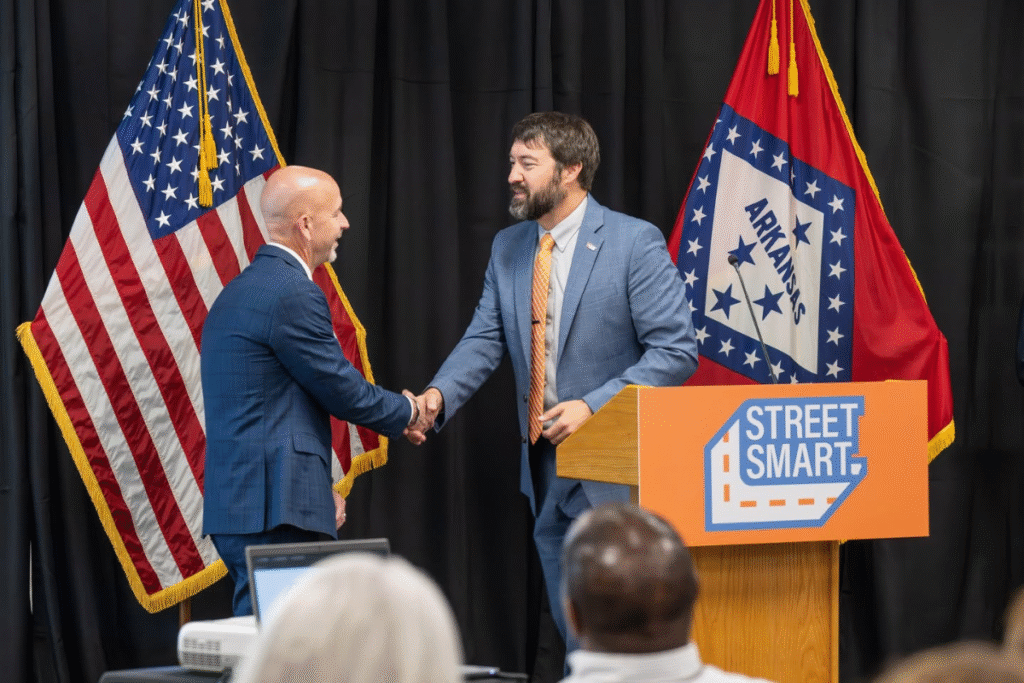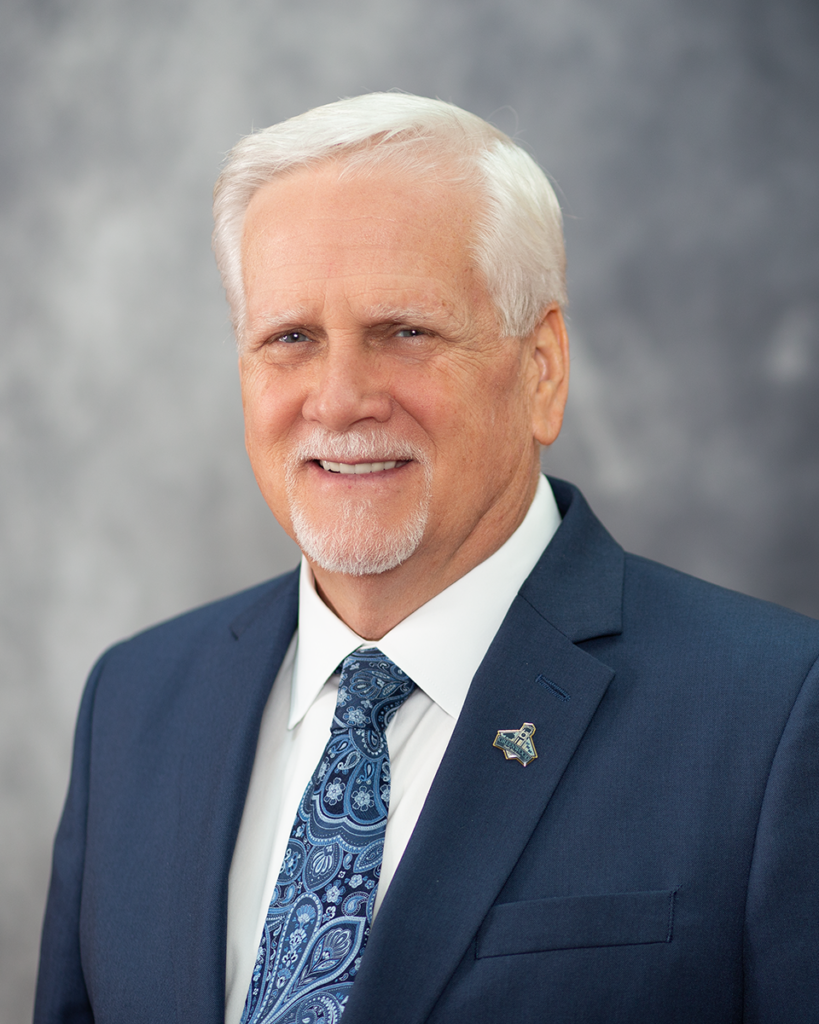

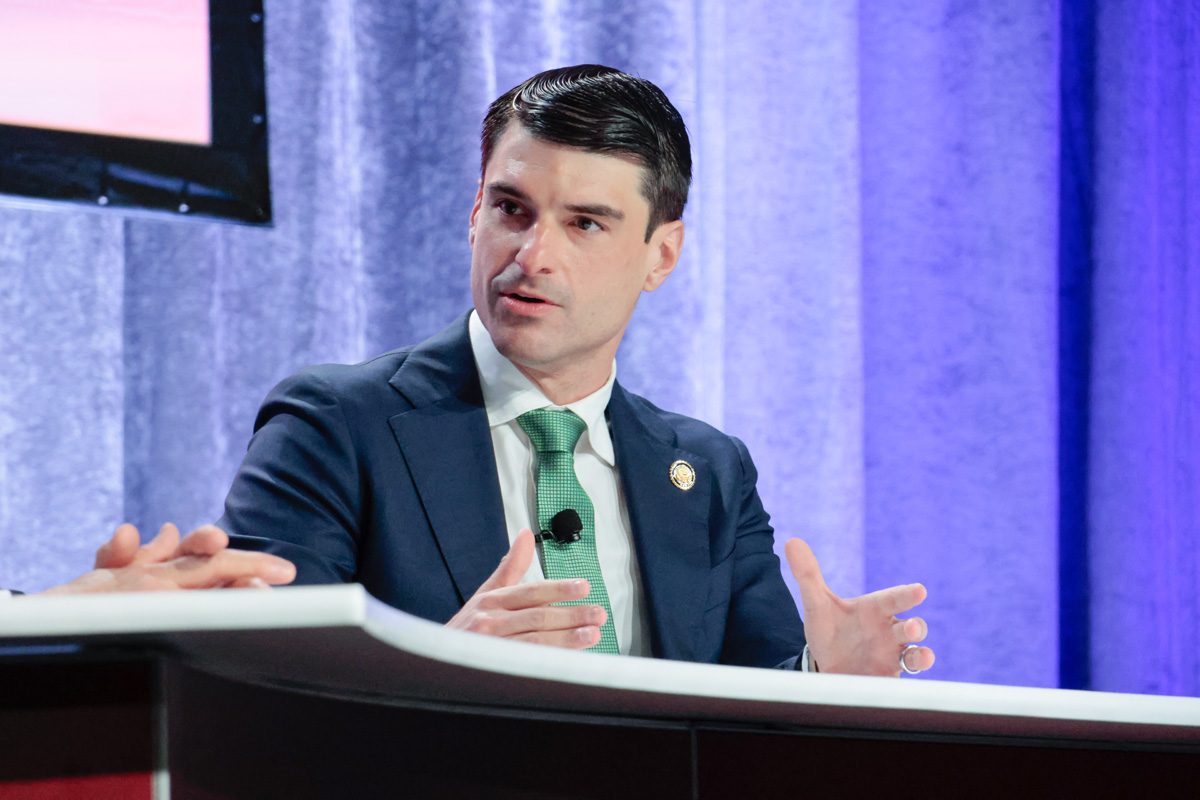
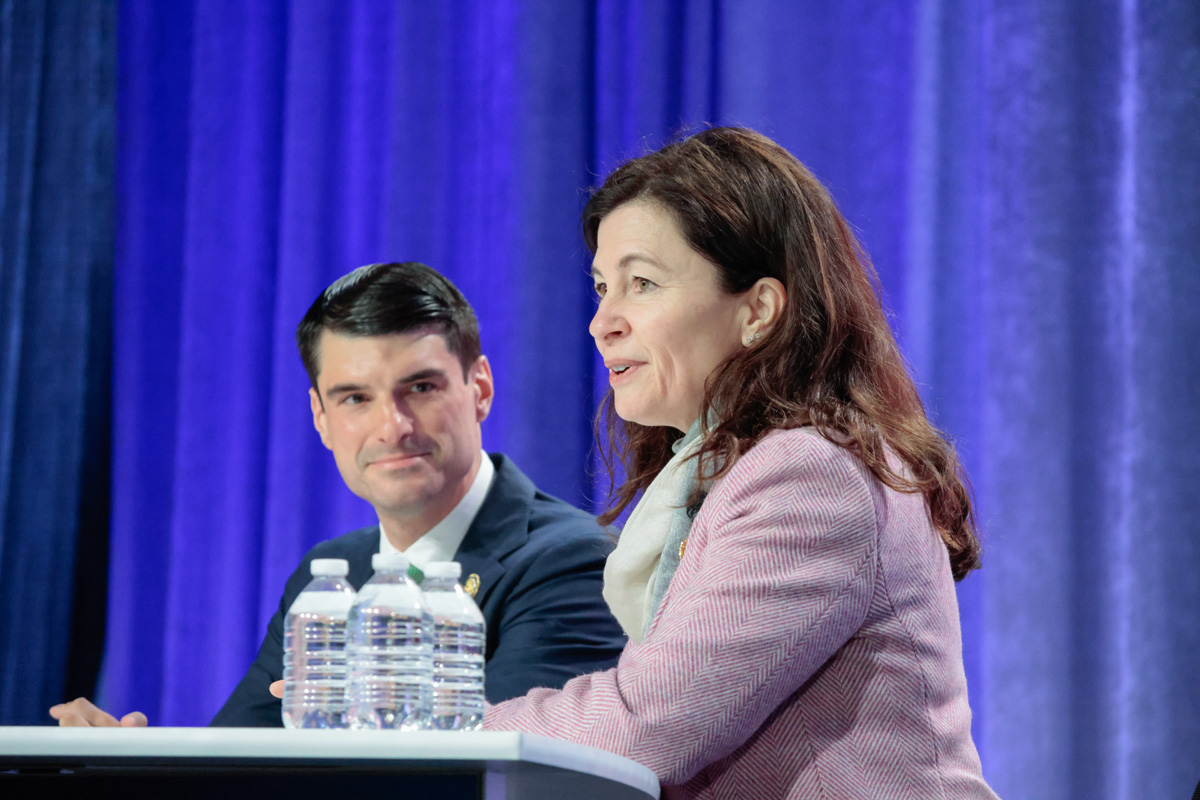
On the afternoon of Monday, March 16, NLC welcomed Reps. Kristen McDonald Rivet (D-Mich.) (above right) and Rob Bresnahan (R-Pa.) (above left) to discuss the bipartisan BASICS Act, which they co-sponsored. Pittston, Pennsylvania, Mayor Michael Lombardo moderated the panel, and he stressed the need for local project funding. “About 50 percent of the ownership of transportation infrastructure falls on the backs of local governments,” he said. “That’s why, more than ever, we need assistance like in the former bill that’s about to expire. And I think it would be safe to say that we’d like to ask Congress to help us with a new bill to pave the way to more transportation help.”
Breaking down barriers will be important to foster local-federal partnerships through the legislation, McDonald Rivet said. “So the idea is, how do we streamline the process, get rid of a bunch of red tape and make sure that not only can local communities set their own priorities, they also have the flexibility and funding they need.” Bresnahan agreed with his colleague from across the aisle. “I’ve always felt the best form of government was the government closest to the people, and I feel leaders like Mayor Lombardo and the rest of you are better advocates of taxpayer-funded dollars than us in Washington sending money to the state capital and then watching those funds sent, perhaps, not necessarily where you need those dollars the most.” The bill must pass through committee and both chambers of Congress before heading to the president’s desk, but both representatives expressed confidence that the legislation will eventually become law.
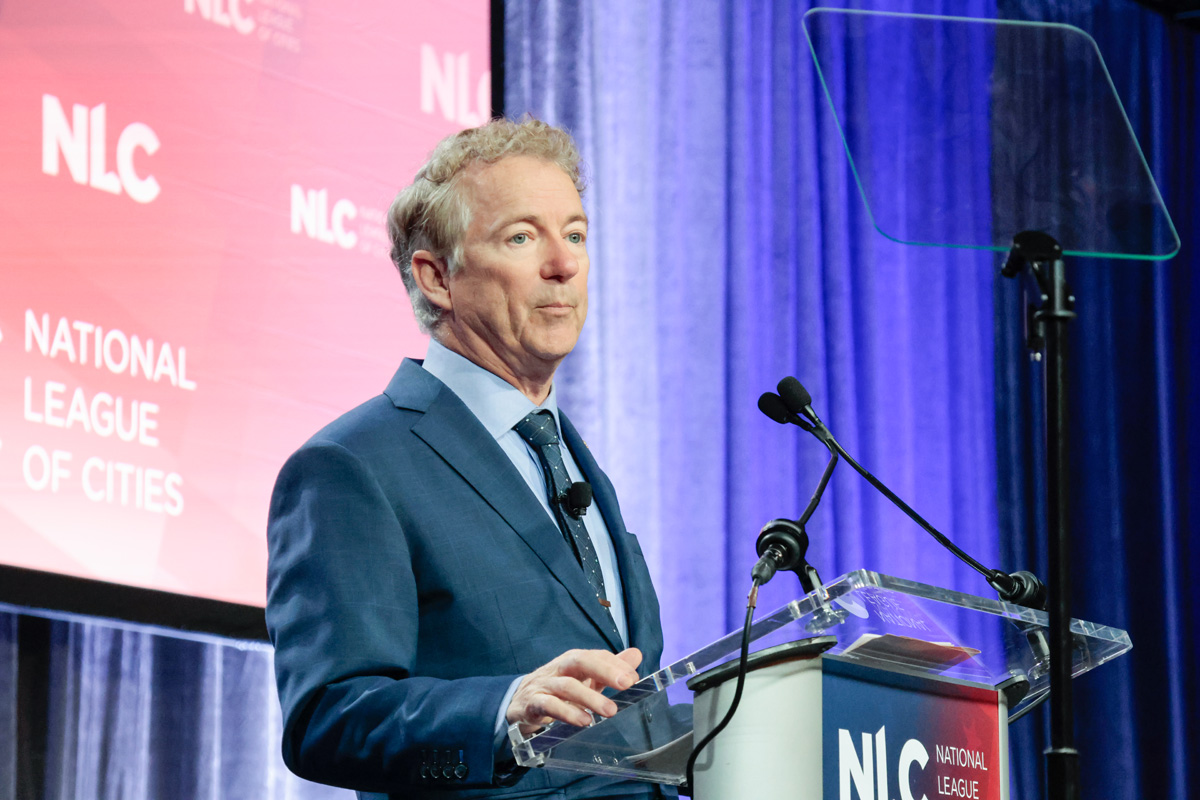
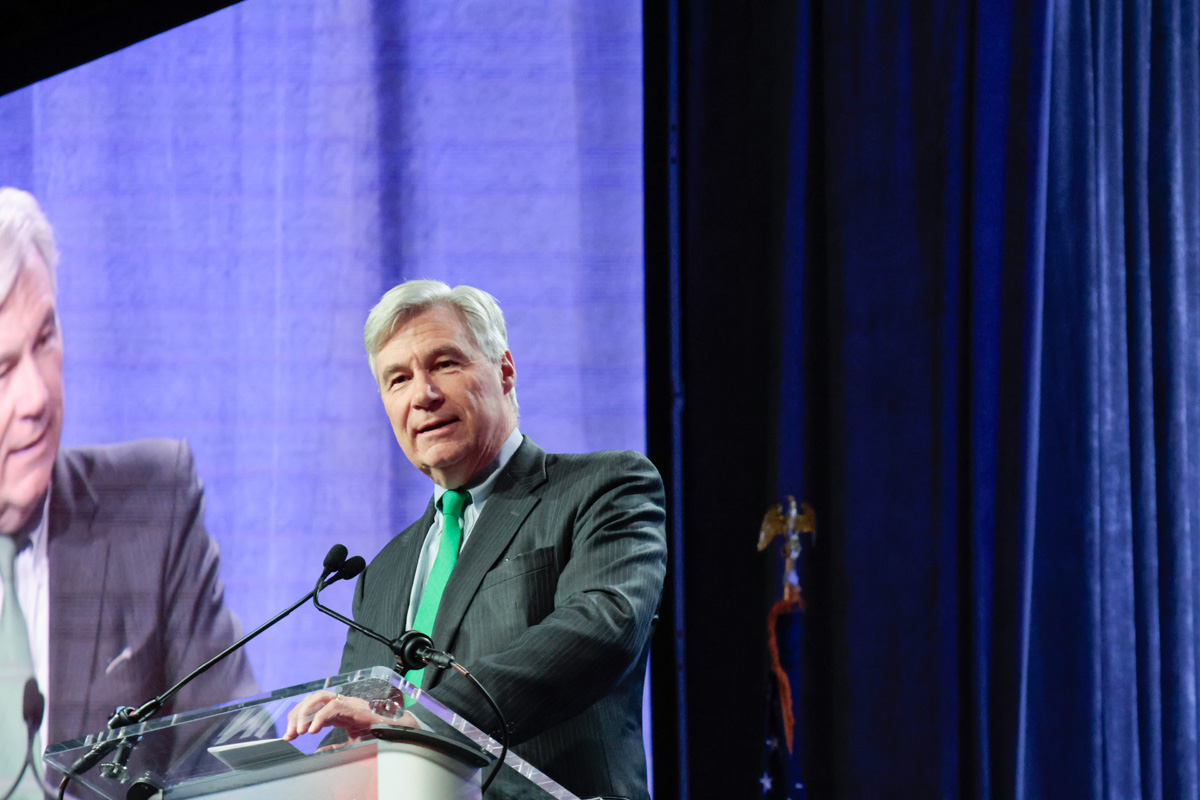
During the closing luncheon, the NLC welcomed Sens. Rand Paul (R-Ky.) (left) and Sheldon Whitehouse (D-R.I.) (right), who addressed local leaders. Paul, who has built a reputation as a staunch opponent of government overreach, shared his thoughts on federalism and the nation’s founders’ intent that the federal government’s powers be limited. “Federalism, the system that was originally designed, was intended to ensure that the leaders closest to the people—mayors, state and local representatives, governors—held the bulk of the responsibility for governing while leaders far away in Washington focused on the few problems that were common to the entire nation.” He argued that we now experience a sort of “tyrannical” top-down system of overregulation of issues that should be decided locally, where states are “laboratories of democracy.” “This may sound familiar, all this talk about division of power, states and federal government,” Paul said. “It should be because it’s the 10th Amendment, which prescribes that powers not delegated to the federal government are reserved to the states and the people respectively.”
Sen. Whitehouse warned of a potential collapse of the home insurance market due to climate risk, particularly in areas subject to flooding and wildfires. “The problem with that, in addition to the immediacy of how that hurts families’ budgets, the problem with that is that when you have a home insurance collapse, that cascades into the mortgage market, because you can’t get a mortgage on a piece of property that is uninsurable,” he said. The chief economist at Freddie Mac, the Federal Home Loan Mortgage Corporation, has warned that such a collapse could trigger a 2008-style recession, Whitehouse said. “For those of you who were working in municipalities in 2008, you know that is not a good thing. But it is a real danger, and that prediction from Freddie Mac was based entirely on a crash in coastal property values. It did not at all consider the emerging wildfire risks that western states have seen so clearly.” To help mitigate risk at the local level, he urged local governments to make sure flood maps are accurate and not reliant upon potentially outdated FEMA maps. “FEMA’s mapping is demonstrably inadequate and inaccurate, so please make sure that you have access to professional quality flood mapping.”
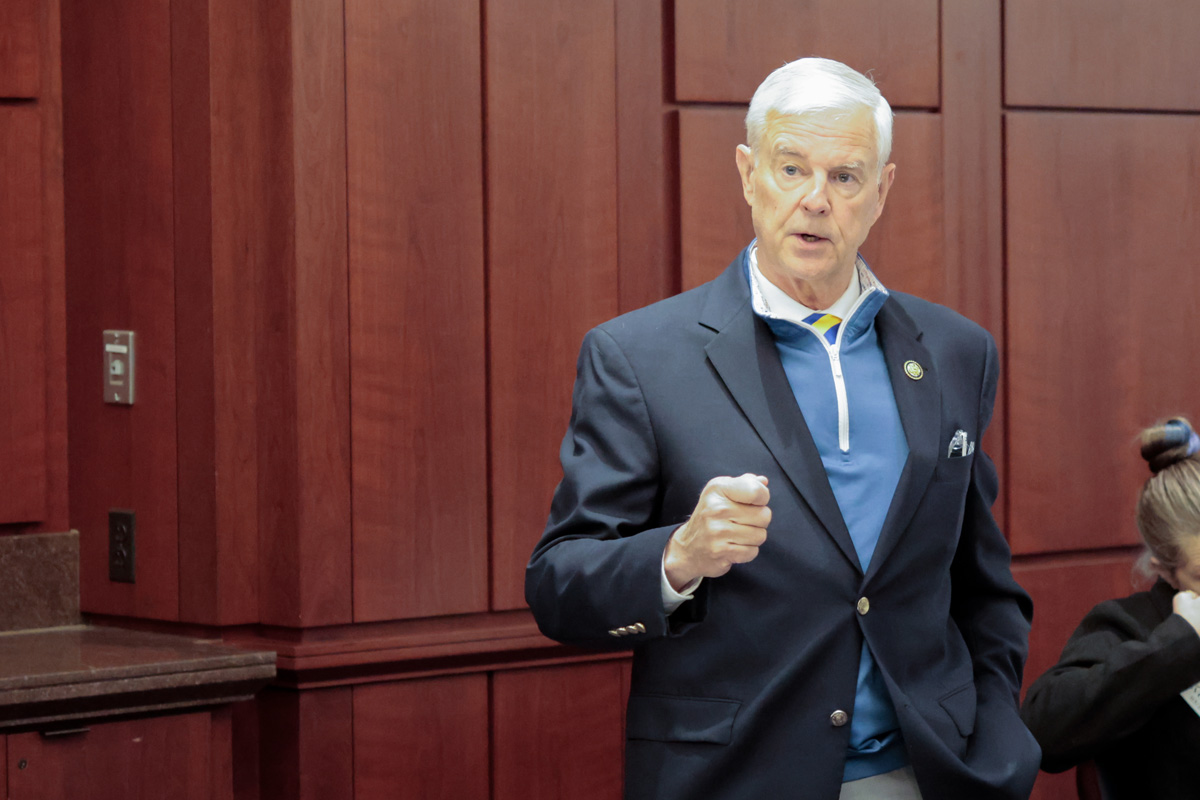
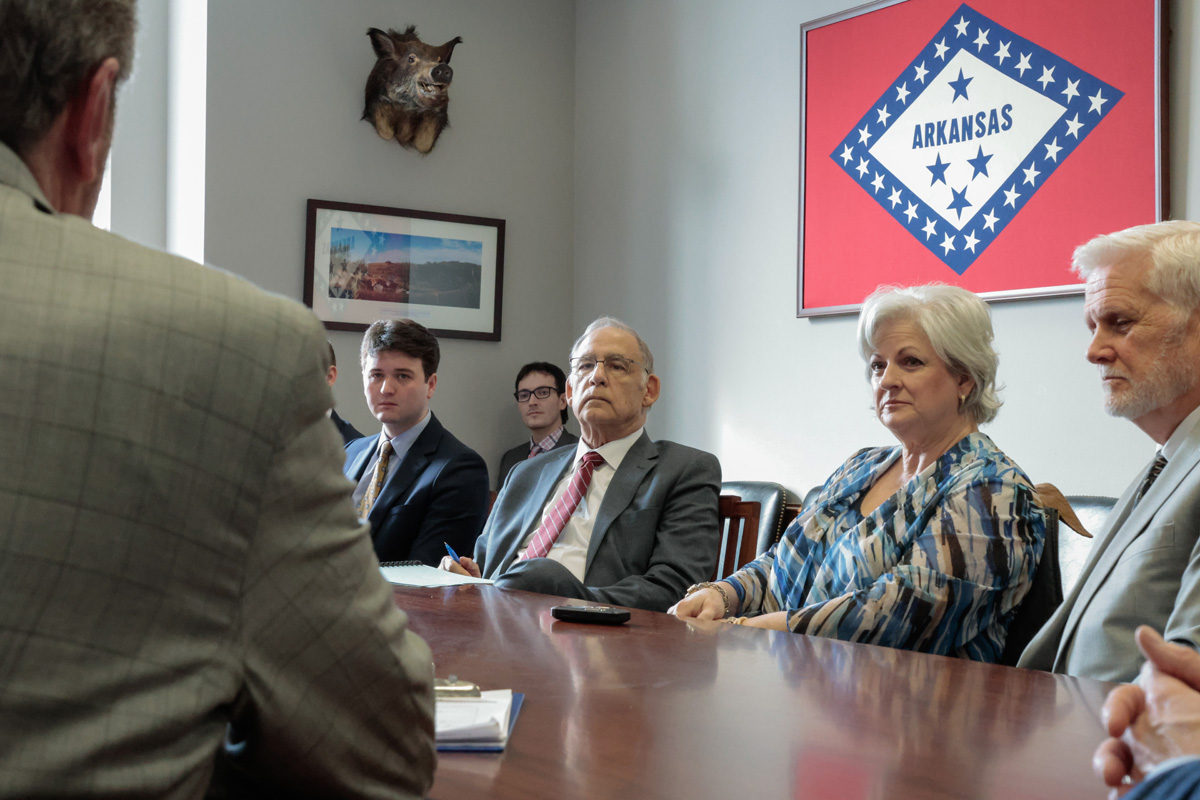
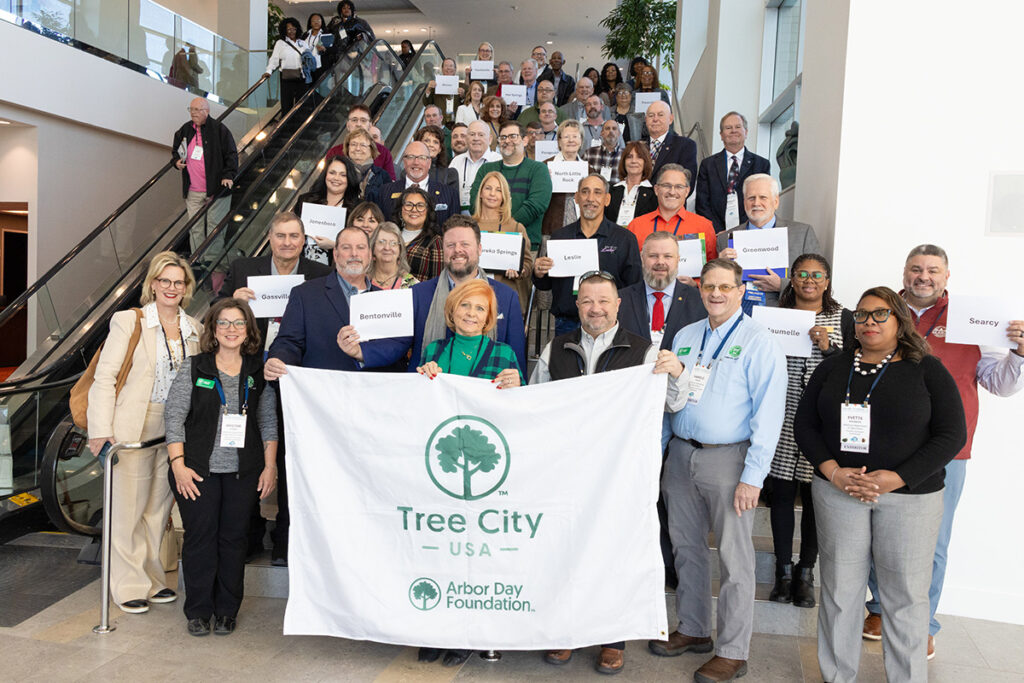
The final Wednesday of the annual Congressional City Conference is dubbed Hill Day, and local leaders are encouraged to use the time to set meetings with their congressional delegations and advocate for the needs in their communities. Not all members of Arkansas’ delegation were available during the time allotted, but city and town leaders met with Sen. John Boozman (right) and members of his staff at his office in the Dirksen Senate Office Building and with Rep. Steve Womack (left) during a luncheon in the U.S. Capitol Visitor Center. With more than $20 billion in estimated upgrades needed across the state, water and wastewater funding is a top municipal challenge, Arkansas local officials shared. Housing, streets, bridges and other transportation needs also ranked high on the list of needs. Boozman and Womack each thanked the city and town officials for their dedication to their communities and invited them to continue to share their needs and concerns with their staff in Arkansas and in Washington.