
State of Play: Millwood Station brings connection to Maumelle

The redeveloped site functions as a farmers market, food truck park and trailhead.

Recent Posts

Other Reads

Just outside Little Rock, the city of Maumelle has seen steady growth over the past few decades. As new residents arrive and commercial areas fill in, city leaders are focusing on creating places that strengthen connection. That is a challenge for a city that was originally one of HUD’s New Town planned communities in the 1960s and early 1970s, which did not develop around a traditional downtown. A first step in that direction is now visible at Millwood Station, a new public space intended to serve as a central gathering point for locals. 

Positioned along Highway 100, Millwood Station sits on the former site of Maumelle’s police, fire and courts buildings. “This is the old location of the police and fire department,” Mayor Caleb Norris said. “It became the courts building for a while. And as each of those institutions moved into a more modern facility, the space sat unused.” 

While some residents suggested selling the land for commercial development, the city pursued a different vision. “One of the things we wanted to do was preserve an area right in the middle of town before it gets fully developed as a space for the community to be in,” Norris said. 

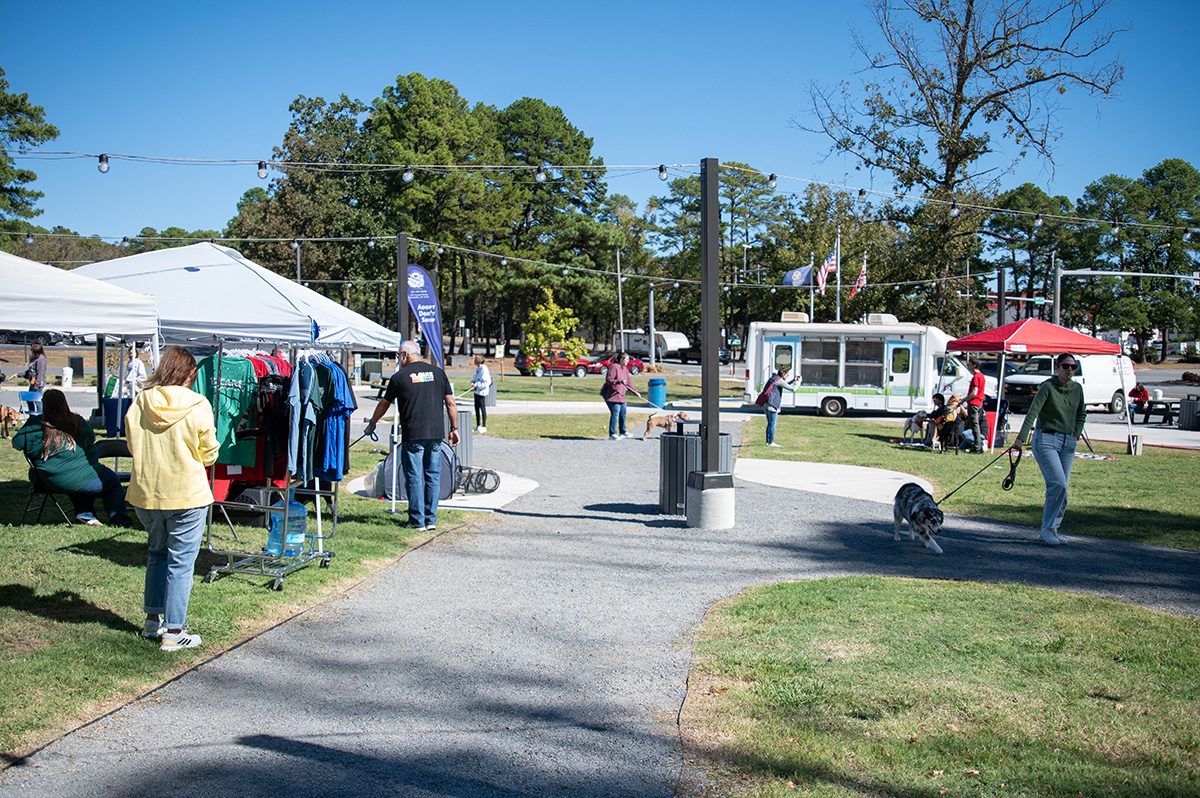
Today, the redeveloped site functions as a farmers market, food truck park and trailhead, all of which connect residents to recreational opportunities like Lake Willastein and local businesses within the commercial corridor, Norris said. 

Millwood Station is the first of a planned series of projects that will connect the business district to public spaces in an area they're dubbing “The Maumelle Mile.”

To shape what the space would become, the city brought residents, food truck operators, vendors and planners to the table. “We started with a general idea of what we were thinking we wanted to do, and we put together a task force,” Norris said. “Surveys were sent out to all of the residents so they could give their answers.” 

Community feedback prompted a number of refinements, including adding a performance space. “We want a little stage, not for massive concerts, but just a little community stage where people can come out and play some music,” he said. 

Professional planners helped guide the final design. “We wanted to facilitate this process where it wasn’t just my idea,” Norris said. While the overall vision stayed intact, “a lot of the little details changed along the way.” 

One of the most visible features of Millwood Station is the food truck park, now home to six or eight full‑time vendors. Norris said the enthusiastic response validated the city’s efforts. “On the one hand, it’s a relief—the idea works and people love it,” he said. “On the other hand, it’s super exciting because it’s the first visible, meaningful indication of the things that we have going on in this area.” 

The site also marks the first completed element of what the city is branding the “Maumelle Mile,” a corridor envisioned as a more walkable and connected district. “We’re calling this entire area the Maumelle Mile. And so you heard it here first,” Norris said. “The goal is in a number of years, people will say, what should we do? And you’re like, we need to head on down to the Maumelle Mile.” 

The purpose of Millwood Station is not just the physical space, but the interactions it creates, Norris emphasized. “It’s super important you know this location is not about the space. The space is really there and designed to facilitate community.” Smaller, more intimate areas were intentional. “We really wanted that smaller feel such that when you’re here, you’re next to your neighbors,” he said. “Sometimes smaller venues with smaller events feel more like home.” 

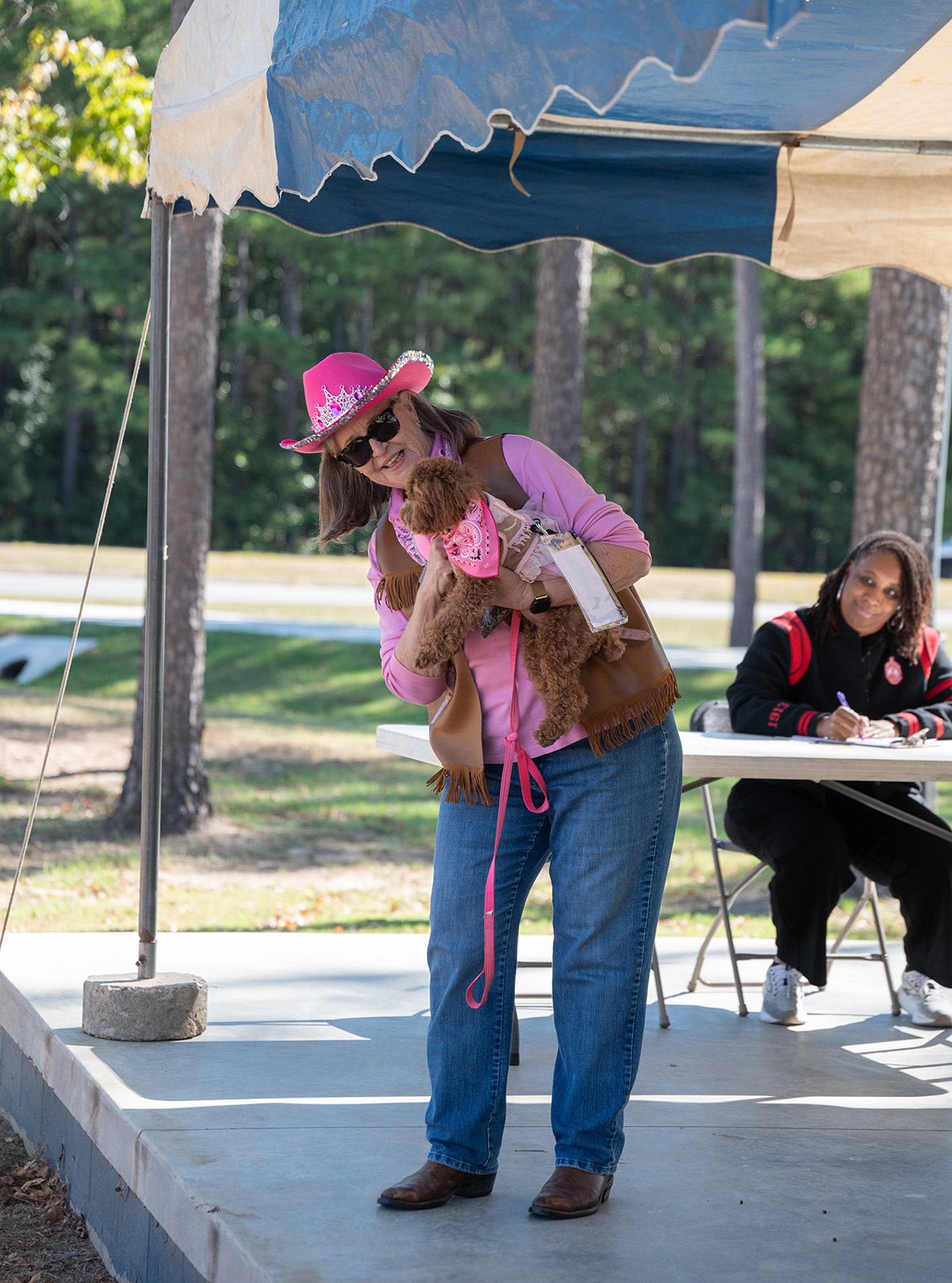
The Maumelle Rotary Club hosted a dog show during the Maumelle Pawlooza event on October 17. The small stage sits at the back of the property and is a result of the public input stage of the project, Mayor Norris said.

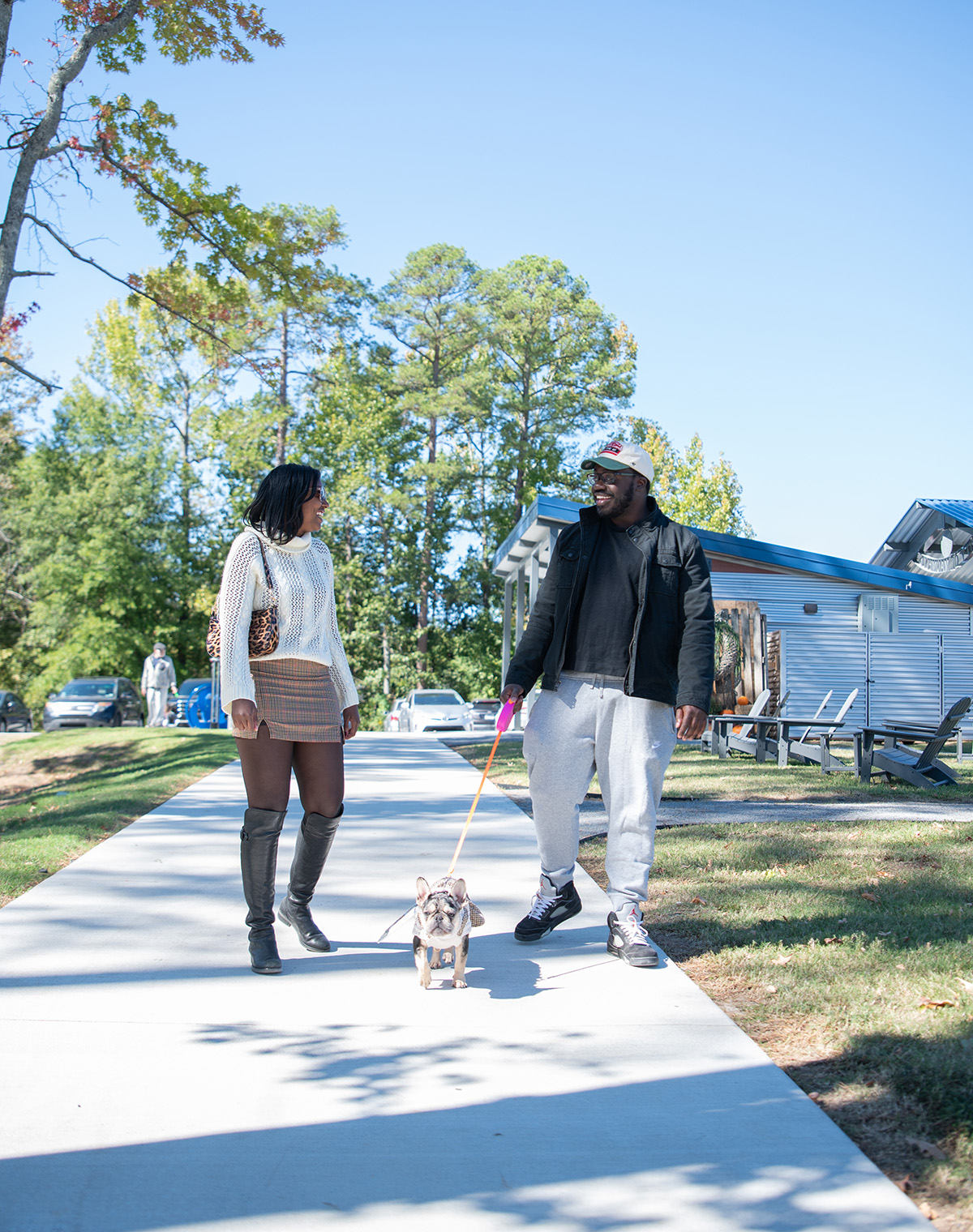
Improving walkability was another central goal. “I like to say that we have trails everywhere, but it doesn’t connect some of the most important parts of the city,” Norris said. Projects like this, he added, are part of creating healthier, more accessible paths that support everyday activity. “This is kind of our first foray into creating a walkable space where you can be outdoors, enjoy the sunlight, burn off a little steam, and hopefully tire my boys out.” 

For Maumelle, which celebrated its 40th anniversary last year, Millwood Station also helps fill a structural gap—its absence of a historic town center. “It didn’t exist 50 years ago. 60 years ago, there was nothing here,” Norris said. “We’re trying to create some of that feel, our version of a place that the community can come down, enjoy their time with their family, go shopping and recreate.”  

Ultimately, Norris said the project reflects the city’s larger mission to support local businesses while protecting Maumelle’s natural character. “My vision has always been to build the best version of Maumelle,” he said. “Things like this that are able to promote our local businesses and at the same time do it the Maumelle Way are really exciting.” 

About this Series

State of Play is a new series that explores how Arkansas cities and towns are investing in active, healthy lifestyles for their residents. From trail systems and bike infrastructure to parks, wellness programs and community design, each installment highlights local leaders and bold ideas reshaping what it means to live well in Arkansas. Sponsored by Municipal Health, State of Play celebrates the places where movement meets momentum.

Further Reading