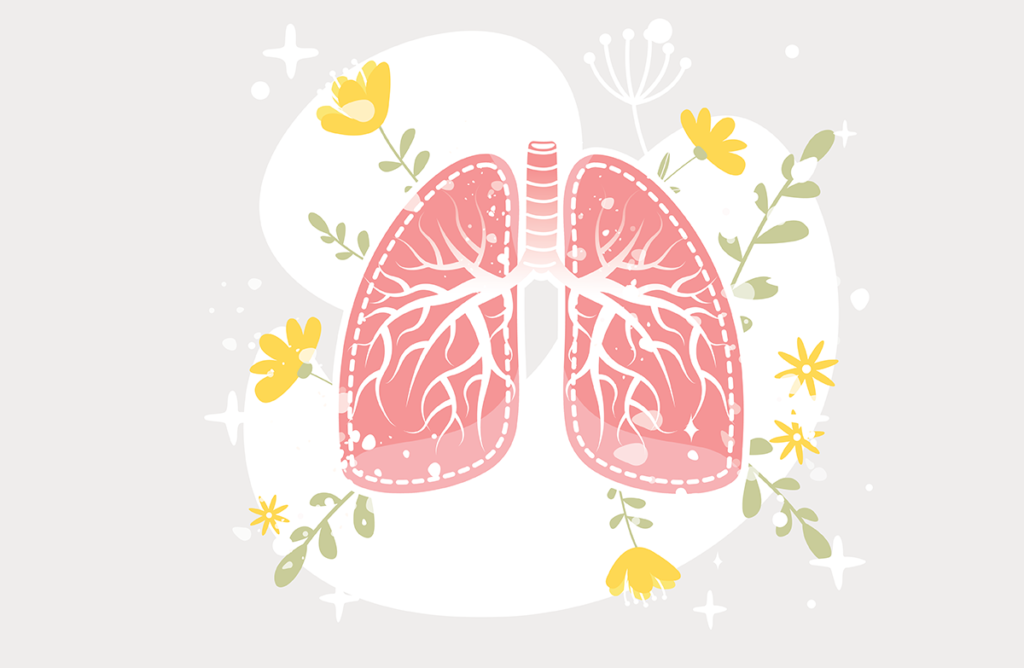
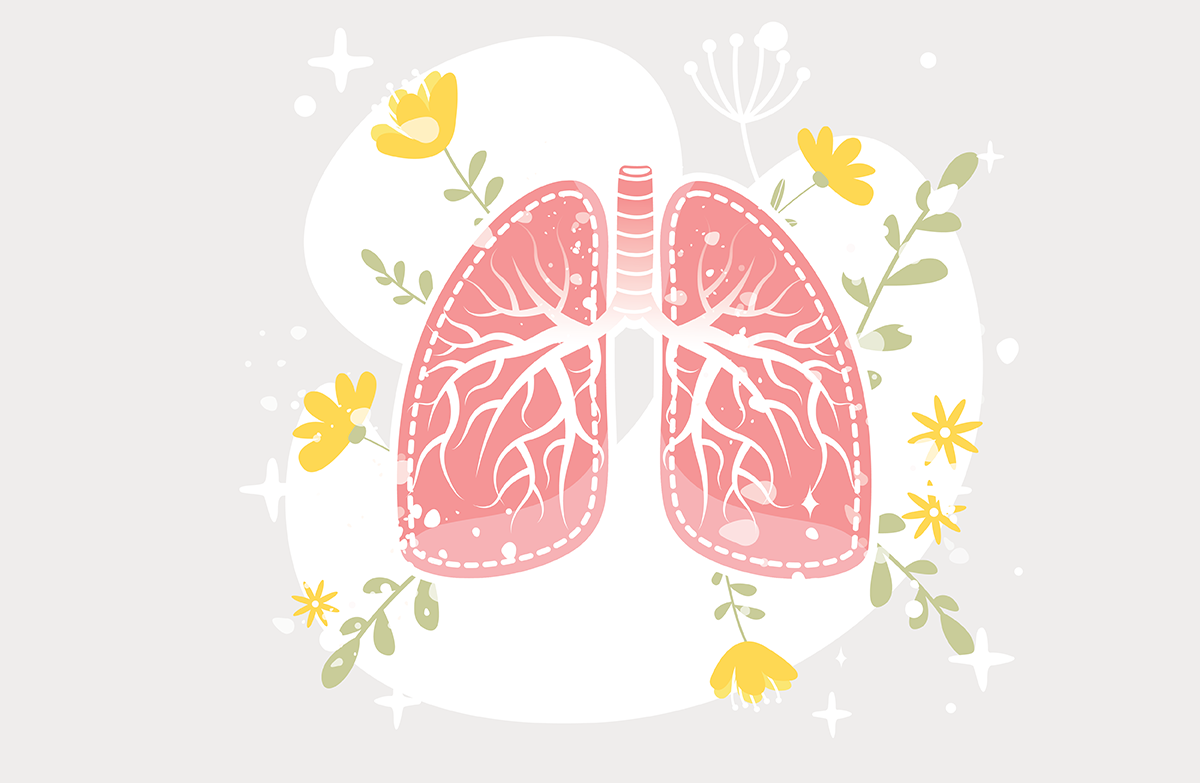
Lung cancer is among the most common forms of cancer in the United States, with about 225,000 new cases diagnosed each year. It is also the most deadly—at nearly 125,000 deaths per year, it accounts for about 20% of all cancer fatalities.
The numbers for Arkansas are even more concerning. The state’s rate of new lung cancer cases, at 68.2 per 100,000 people, is among the worst in the nation. Only about 22% of Arkansans with lung cancer survive for five years after their diagnosis; the national average is 28%.
You might look at those figures and think there’s little we can do to help a person who has lung cancer. Fortunately, that isn’t the case. Current treatment options offer patients more reason for hope than ever before, giving us the opportunity to turn a tragedy into a statewide success story.
However, these tools are most effective if the cancer is detected at an early stage. As November is Lung Cancer Awareness Month, I want to encourage you to use that time to consider whether you’re in a high-risk population and could benefit from an annual lung cancer screening.
Who is at risk?
Smoking is by far the leading cause of lung cancer, comprising up to 90% of all cases. When you consider that Arkansas has one of the highest smoking rates in the nation, it’s easy to see why this is an urgent health concern.
A person is deemed as high-risk if they are between 50 and 80 years old, smokes or has quit smoking within the past 15 years, and has what health professionals call a “20-pack year history.” This method of calculating a person’s smoking history means, for example, that someone is at high risk if they smoked a pack of cigarettes a day for 20 years or two packs a day for 10 years.
Although smoking is the greatest risk factor, it’s not the only one. Secondhand smoke, exposure to asbestos and other carcinogenic substances, and even family history can play a role in the development of lung cancer.
Why is screening important?
What makes lung cancer so dangerous is that it often goes undetected until it’s advanced and more difficult to treat. The disease typically doesn’t cause any symptoms until it has progressed to an advanced stage. At that point, a person might begin to experience issues such as shortness of breath, a hoarse voice, or a persistent or worsening cough, which might also involve the person coughing up blood.
On the other hand, early detection significantly increases a person’s chances of survival. If we can diagnose the cancer before it severely damages the lungs or spreads to other parts of the body, then we have more options for treatment. For instance, a smaller tumor can be removed through minimally invasive surgery, rather than a more complicated procedure that requires a longer and more difficult recovery.
Only a small percentage of high-risk Arkansans get screened for lung cancer each year, so we have a lot of work to do to raise awareness about this potentially life-saving step.
Getting started
Lung cancer screenings take minutes to complete but could help you add years to your life. The low-dose CT scans, which employ only a fraction of the radiation used in regular CT scans, are painless, noninvasive, and covered by most health insurers.
To expand access to these scans, the UAMS Winthrop P. Rockefeller Cancer Institute recently deployed its first mobile screening units for lung cancer. These units will travel to every county in the state, which is particularly important for rural communities that have a higher incidence of lung cancer but fewer options for screening and treatment.
Patients screened through the program will also receive tobacco cessation counseling and resources.
I know it can be all too easy to delay this type of preventive care, especially if you’re feeling healthy and showing no signs of cancer. However, this is precisely the time to be proactive about your health. If we start catching more lung cancer cases in their earliest and most treatable stages, then we’ll save the lives of many more Arkansans in the years to come.