Municipal planning is, ironically, often simultaneously overlooked yet critically important to a community’s future. The reason is understandable. Mayors and staff deal with a lot. Today’s crisis must be addressed now and tomorrow is tomorrow’s problem. Yet behind nearly every successful community is strategic planning.
Planning can mean different things to different people. For some, it immediately brings to mind zoning maps and development regulations. For others, it means utility expansion, park development or economic growth strategies. In truth, planning encompasses all these things and more. At its core, planning is the process of helping a community move intentionally toward the future it wants rather than simply being a recipient of whatever the future delivers.
Like maintaining a vehicle, planning often feels unnecessary when everything appears to be working. The city’s roads are good, water and sewer lines are flowing, and growth may be steady. It is easy to assume that tomorrow will look much like today. However, change has a way of coming whether or not we want it, and the status quo doesn’t last. Today’s infrastructure assets are tomorrow’s liabilities, major employers migrate away, neighborhoods decline and business districts struggle. Dealing with these issues rarely waits until a city feels fully prepared. Planning creates the opportunity to think ahead before circumstances force difficult decisions under pressure.
Anticipating change
One of the greatest strengths of planning is its ability to help communities recognize emerging trends before they become major challenges. Consider housing demand. A community that begins seeing population growth may not immediately experience housing shortages. Those pressures often emerge gradually. Vacancy rates tighten, home prices start climbing and rental options become sparse. By the time housing becomes a major challenge, the factors driving the crisis have been building for years.
The same principle applies to infrastructure. A water system may meet current demand, but what happens if a city adds several hundred new housing units? A city’s streets may have adequate capacity, but what happens if the high school relocates to an area less equipped to handle traffic? Capacity challenges do not appear overnight. Planning allows local governments to identify these potential issues early and begin preparing solutions before residents feel the impacts.
Planning also helps communities identify opportunities. A neighborhood experiencing disinvestment might be the perfect place for new workforce housing. A major planned sewer interceptor could be just right for a new trail corridor. Cities that apply this forward-looking strategic thinking can position themselves to take advantage of those opportunities. Those that fail to pay attention often find themselves wishing they had decades later.
Creating a shared vision
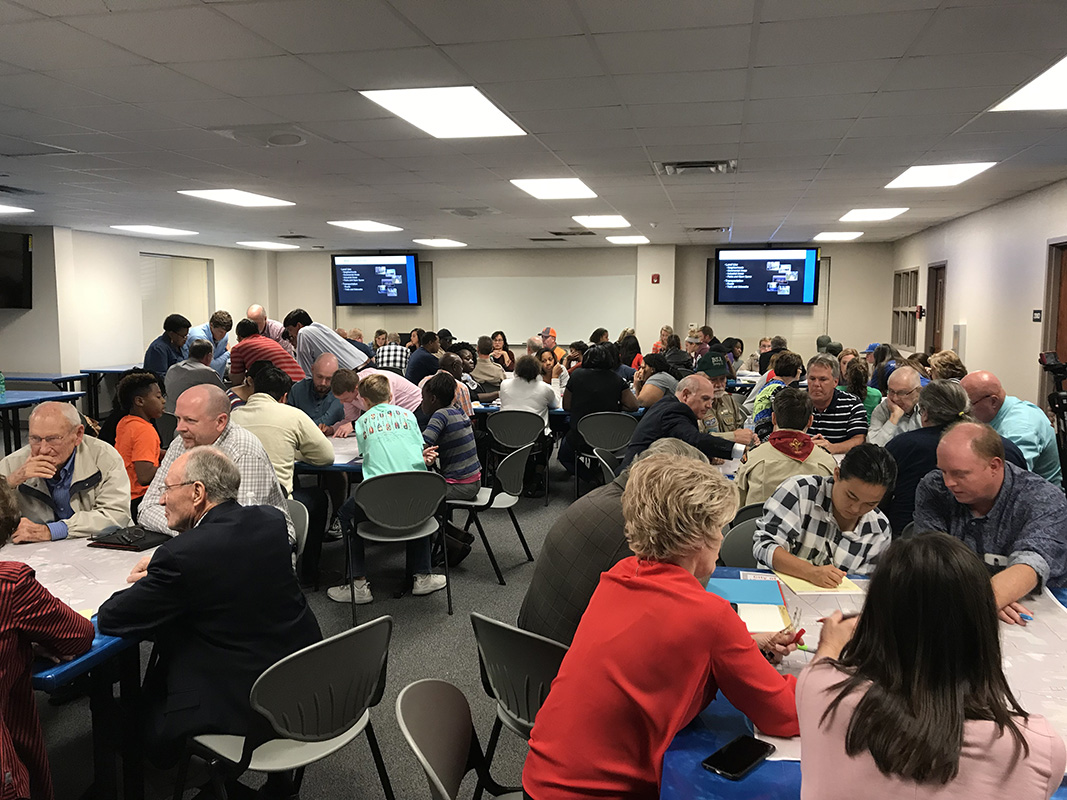
Another important role of planning is helping communities establish a shared vision for the future. Every city has residents and stakeholders with a wide range of perspectives, priorities and interests. Residents, business owners, developers, elected officials and the chamber of commerce may all see different opportunities and different challenges. Without a framework for decision-making, these competing interests can pull a community in multiple directions at once. Or worse, they can leave the city in a state of decision paralysis.
A planning process creates an opportunity to answer important questions. What kind of place do we want our city to become? Where should development occur? What infrastructure investments are most important? How and where should public resources be prioritized?
The answers aren’t always unanimous, nor should they be. However, the process itself is built to find areas of consensus. When administrations change or difficult decisions arise later, leaders can refer back to established community goals rather than debating basic priorities over and over. A clear plan sends a signal to residents and future leaders that a city knows where it is headed and is prepared to support responsible growth.
Moving from reaction to strategy
Many local governments spend significant time responding to immediate concerns. Citizen complaints, budget pressures, maintenance issues and day-to-day operational responsibilities demand attention. They have to be addressed. Good planning can help break this cycle of constantly putting out the next fire.
Planning encourages communities to ask, “What conditions are creating this problem, and how do we address them long-term?” For example, filling potholes may seem like a simple day-to-day problem. In reality, it may be an indication of deferred roadway maintenance. A planned approach evaluates city street conditions and makes smart investments that prevent potholes in the first place.
Similarly, economic development does not happen simply because a city wants it to. Workforce availability, utility capacity, housing supply, transportation access and quality-of-life amenities all influence business investment decisions. Strategic planning helps communities coordinate these interconnected factors rather than addressing them independently.
The result is often more efficient use of limited public resources. Instead of pursuing isolated projects, cities can focus investments that reinforce the benefits of existing investments and support long-term community goals.
The importance of flexibility
Perhaps the most common misconception about planning is that once done, it is set in stone. Good planning recognizes that things change. Rather than being a rigid snapshot in time, it should be a framework for decision-making.
Especially today, no one can accurately forecast every economic trend, demographic shift or technological advancement. What planning can do is establish guiding principles and decision-making tools that remain valuable even when circumstances change.
The communities that navigate change most successfully are those with enough flexibility to adapt when conditions evolve. Planning provides that flexibility by helping leaders understand their strengths, weaknesses, opportunities and risks. When unexpected challenges emerge, those communities are already operating from a position of knowledge rather than scrambling to gather information.
The municipal advantage
The good news is that planning doesn’t have to be complicated or require a lot of resources to be effective. Planning at its core is about looking at the issues facing the community and identifying actions over time to address those issues. It’s an approach to governance as much as a process. That raises a larger issue.
Comprehensive plans, capital improvement programs, hazard mitigation plans, utility master plans, downtown strategies and housing studies all provide value. However, that value is diminished when the plan is developed, adopted and promptly forgotten. Plans truly create power when they are used and produce a culture of thinking ahead. When local leaders regularly discuss future conditions instead of focusing exclusively on present concerns, good things tend to happen. Communities become better prepared for change, more strategic in their investments and more effective at aligning resources with long-term priorities.
That is the true power of planning: better decisions and community benefit. It helps elected officials and staff move beyond short-term reactions and toward long-term stewardship of community assets and opportunities. Debate becomes shaped by vision rather than circumstance, challenges become opportunities for improvement and investments are made with a clearer understanding of future needs. Most importantly, planning gives communities agency. Rather than being shaped solely by economic shifts, demographic change or unforeseen events, residents and local leaders can actively influence the direction of their community. The future will arrive whether a city plans for it or not. Planning simply gives communities a greater voice in what that future becomes.