Recent findings from the University of Arkansas’ Arkansas Health Survey show that 28.8% of adult Arkansans go without food regularly. Though the survey only tracked adults, food insecurity rates could be similar for children from struggling families.
The Harvesting Hope Initiative, led by the Arkansas Community Action Agencies Association (ACAAA), is working to reverse those trends in rural Arkansas. The initiative is a statewide effort to fight food insecurity, but rather than building new systems, it leans on an asset-based approach focused on what communities already have: trusted people in trusted places. The program strengthens local food banks, supports rural churches as distribution hubs, and promotes healthier, sustainable lifestyles through better nutrition access.
An immediate impact
The initiative’s first year, funded in partnership with the University of the Ozarks, gave the model its first real test. The results showed positive gains and impacts. Twenty congregations across 20 rural counties signed on, forming a statewide network connected by a shared sense of purpose. Together they:
- Served approximately 360 families each month
- Facilitated 4,320 fresh food distributions over the course of the year
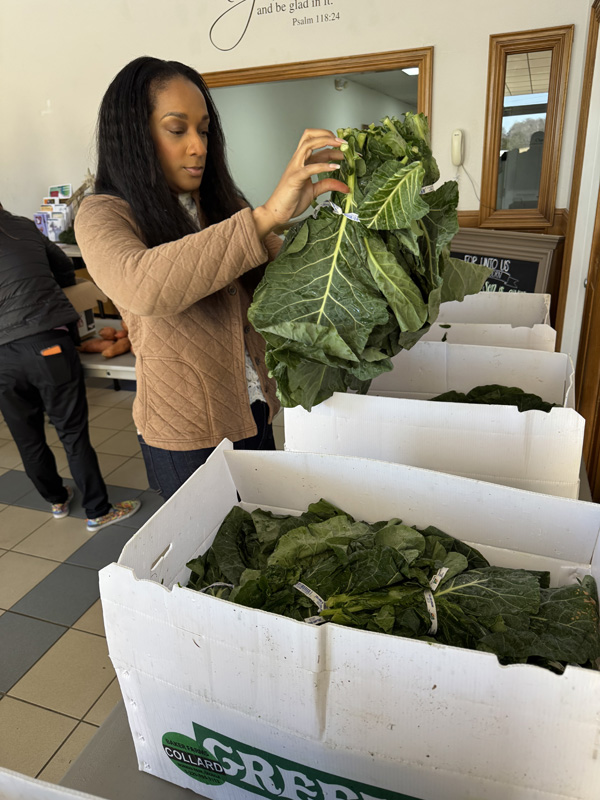
- Brought fresh fruits, vegetables and healthy staples directly to people through a mobile market model, cutting through barriers that limit rural families from accessing nutritious food.
The program found success in driving the market to the community instead of asking the community to come to the market through their Mobile Market.
“I have witnessed firsthand the critical impact of the ACAAA Harvesting Hope Mobile Market on our community, especially engaging our churches,” Wrightsville Mayor Derrick Rainey said. “In a city where access to fresh, affordable food is limited and transportation barriers are real, the Mobile Mart has been more than a food distribution strategy—it has been a lifeline.”
Churches as living communities
Harvesting Hope built its strategy by including churches as “living communities.” The goal is bigger than filling a box with produce; it’s about equipping local religious leaders to address the full picture of a community’s physical, emotional and social health.
Churches are anchor institutions that form authentic relationships within their communities, and the ACAAA believes they are the most suitable partners and meaningful entry points for food distribution in communities with limited access to healthy food.
The ACAAA is also exploring additional pathways to sustain and grow the program. According to Executive Director Tomekia Moore, the primary deliverable of the initiative will go beyond food distribution to “build the capacities of rural churches to champion community-level issues.”
Planning for the future
Goals for the future include a strategic shift toward the development of community gardens that promote sustainability and harness the economic benefits that come with a grow-your-own approach. The key objectives are to strengthen local food systems and build something that outlasts a single grant cycle.
There’s a difference between receiving a bag of groceries versus tending a garden that feeds you and your neighbors and addresses food insecurity from within. Both matter, but one builds community ownership and extended sustainability. What Harvesting Hope is proving is that the most durable community work happens when you invest in people who are already rooted in your community.
ACAAA continues to actively explore new partnerships to carry this work forward. To learn more or connect with Harvesting Hope, you can reach out to Tomekia Moore at tmoore@acaaa.org.