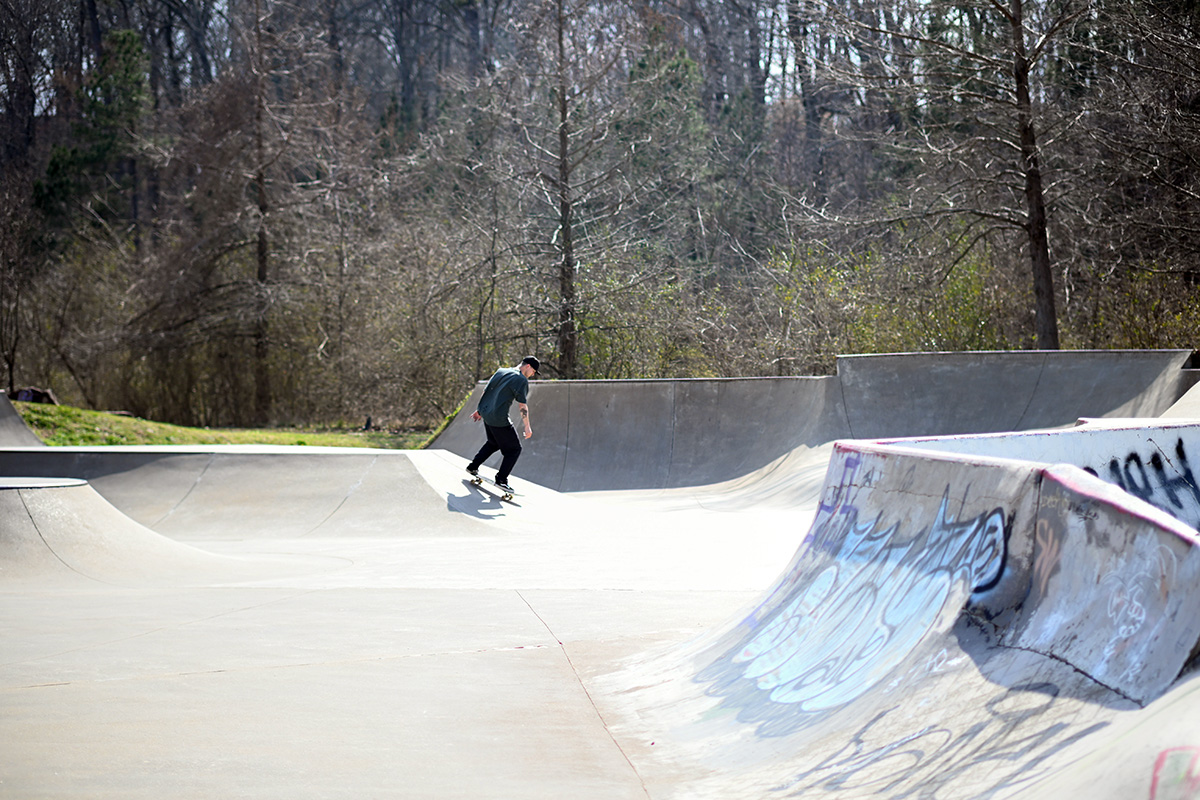
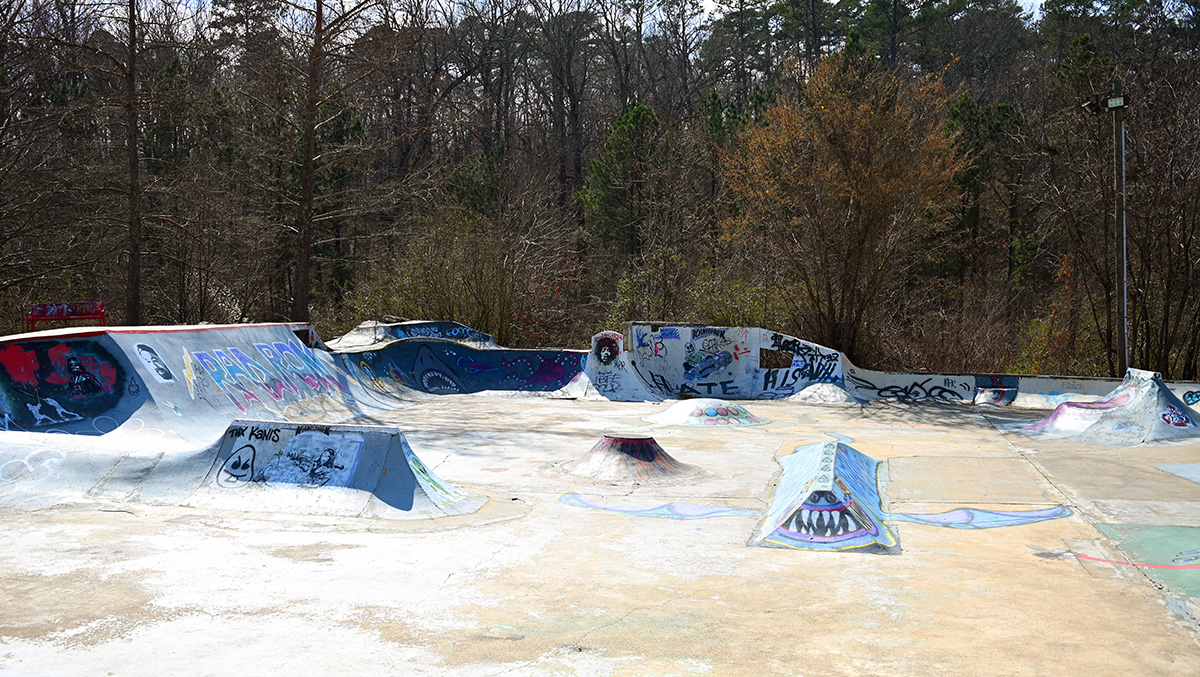

Leland Couch, director of Little Rock Parks and Recreation, has spent two decades shaping the city’s public spaces. He remembers Kanis Park before it became the vibrant park it is today.
“I’ve been with the Little Rock Parks Department for, this year will be my 20th year,” he said. “I started going out to Kanis Park in 2006 as a park planner. My initial remembrance of that park was an old, worn-out playground and a concrete pad that some kids were skating on, and old, worn-out tennis courts that nobody was playing on. The basketball courts existed at the time, but they were old and tired as well.”
Soon, the first major investment arrived in the form of a Coca-Cola grant that gave the city a starting point. Couch said he went back to the skate group for input.
“I’m a designer, but I didn’t have skate design experience, so I got with those kids again. They call themselves the DIY Kanis Skate Group. Working with them, we selected a contractor. They were instrumental in not only the design but the actual construction.”
Couch said a lot of construction centered around connecting existing pieces.
“There was an original old skate bowl there in Kanis that was built maybe in the ’70s,” he said. “By the time we got the funding, we built a professional piece in between the DIY area and the historic bowl. It made a unique skate park with true ownership from the group that still appreciates it today.”
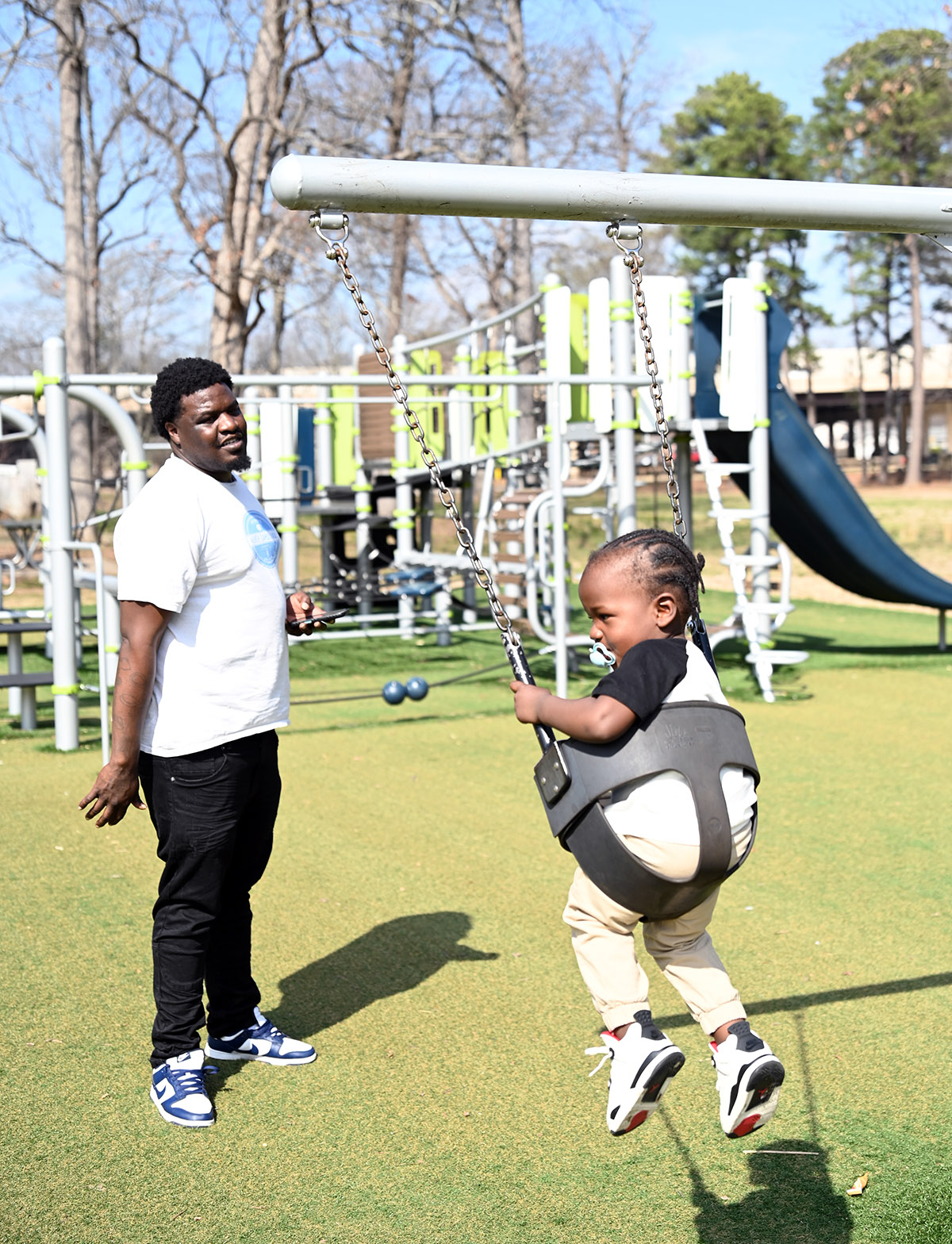
More grants followed and investment continued with play spaces and courts. “We applied for an outdoor rec grant through the state, which gave us money for a new playground,” Couch said. “We were able to install a new playground that was accessible and move it over to the creek.”
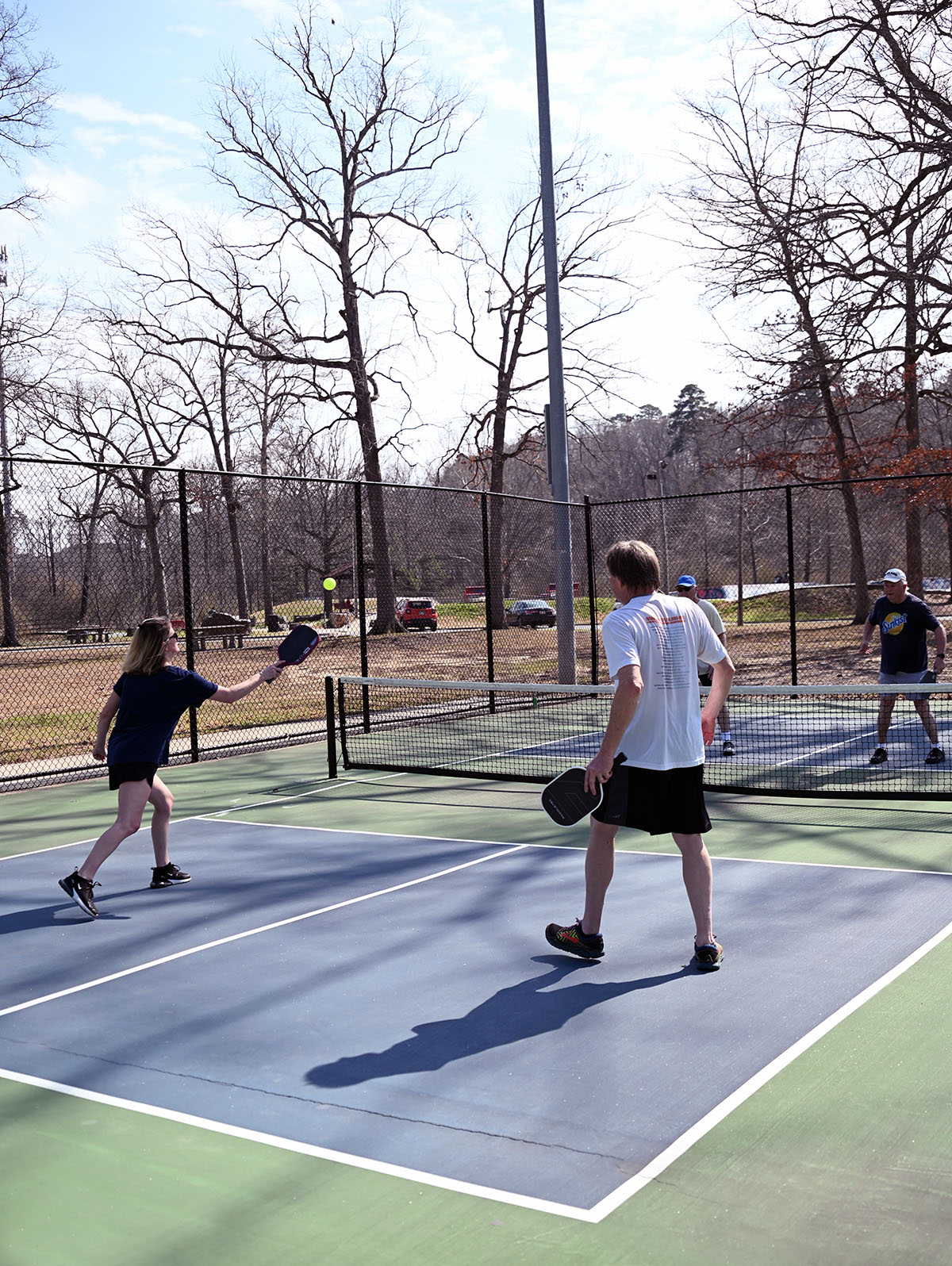
Interest in pickleball exploded during the pandemic, and Kanis became one of the city’s busiest pickleball spots. Couch says they began working to accommodate the sport’s newfound popularity.
“We used our in‑house crew to extend the existing tennis courts and hired a contractor to do the pickleball courts,” he said. “Shortly after we finished, I’d say that night, pickleball groups started showing up and they never stopped. They wanted lights to play longer. Our budget is limited, so they helped us. They raised about $40,000 of the $75,000 we needed for the lights.”
That collaboration became a model for the entire park’s redevelopment. After the expansion of I-630 removed the existing basketball courts, Couch said they went looking for more grants.
“We worked on a couple different grants,” he said. “We got a federal environmental grant and used that to put in the new bridge over the creek, which helped with some of the trail construction. We also had ARPA funds and other city funding to get the basketball court facility back up and running.”
For Couch, Kanis Park has become a model for what a healthy, diverse park should be.
“I use Kanis Park as an example every day,” he said. “The more users, the more diverse user group you have, the better park experience you have. Back when I started going through there, it really seemed like an abandoned park,” he said. “Now when you drive through, it’s packed and vibrant. The best part of my job is to go out to a park and see everything being utilized as you expected it,” he said. “Everybody having a great time, from a senior all the way down to a toddler, families and everything in between.”

About this Series
State of Play is a new series that explores how Arkansas cities and towns are investing in active, healthy lifestyles for their residents. From trail systems and bike infrastructure to parks, wellness programs and community design, each installment highlights local leaders and bold ideas reshaping what it means to live well in Arkansas. Sponsored by Municipal Health, State of Play celebrates the places where movement meets momentum.