Museum tells story of Hoxie’s stand for equality

The ultimate goal is to raise funds to build a new building for the museum.

Recent Posts

Other Reads


After the U.S. Supreme Court’s 1954 ruling in the landmark Brown v. Board of Education of Topeka, Kansas, case, Hoxie public schools were among the first in Arkansas to integrate. The superintendent, Kunkel Edward Vance, supported the move, calling it “right in the sight of God.” Although there was some opposition, both locally and from outsiders, the school board and citizens who supported desegregation stood their ground.

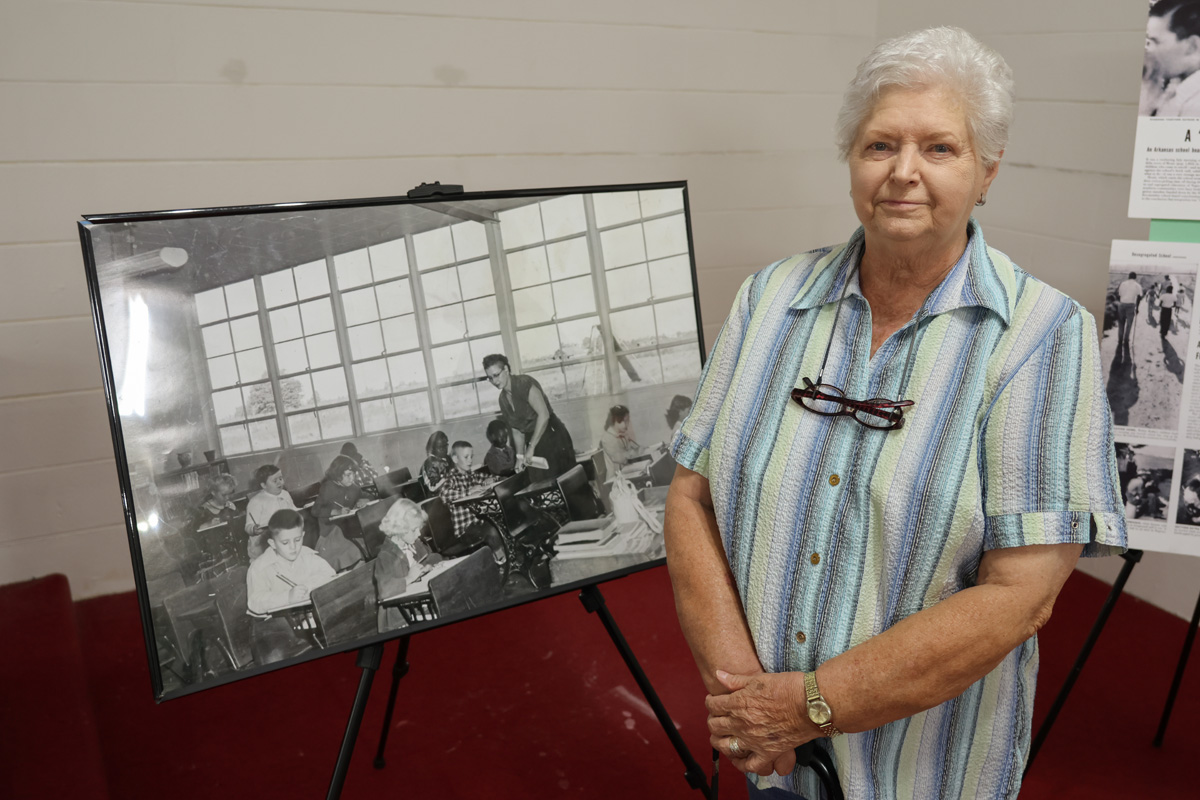
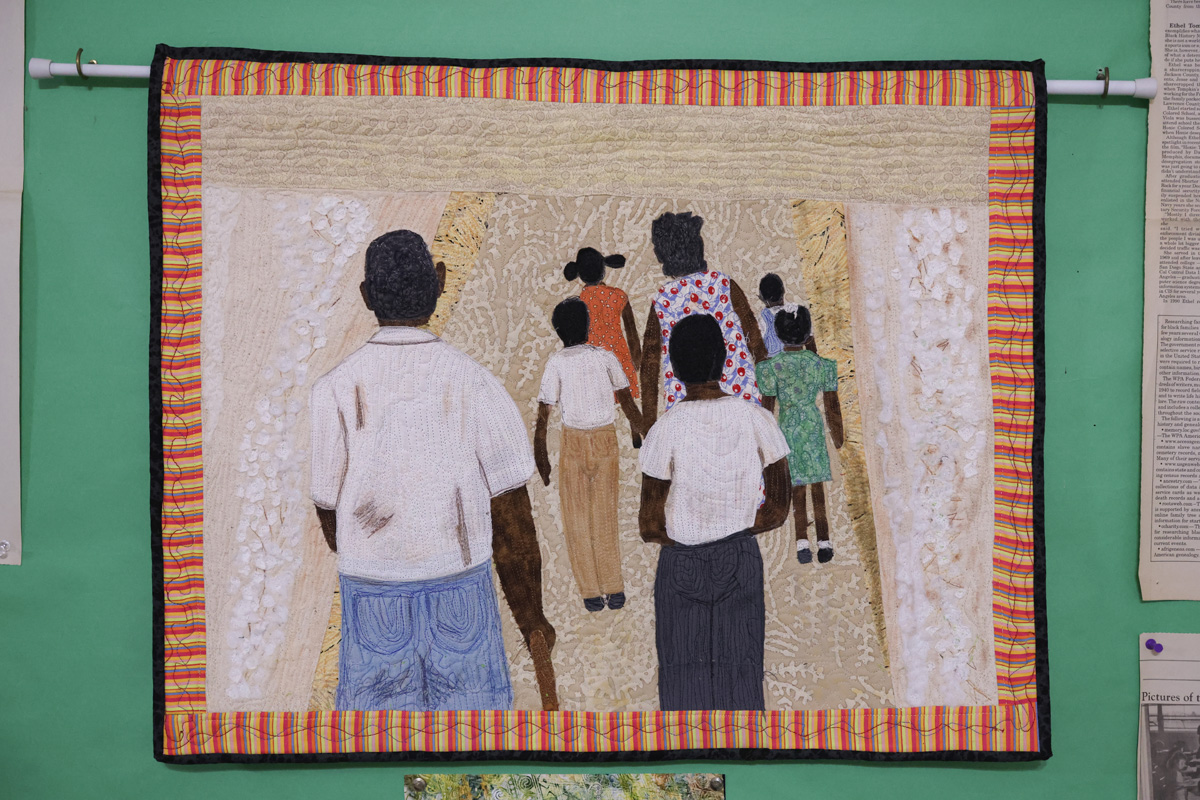
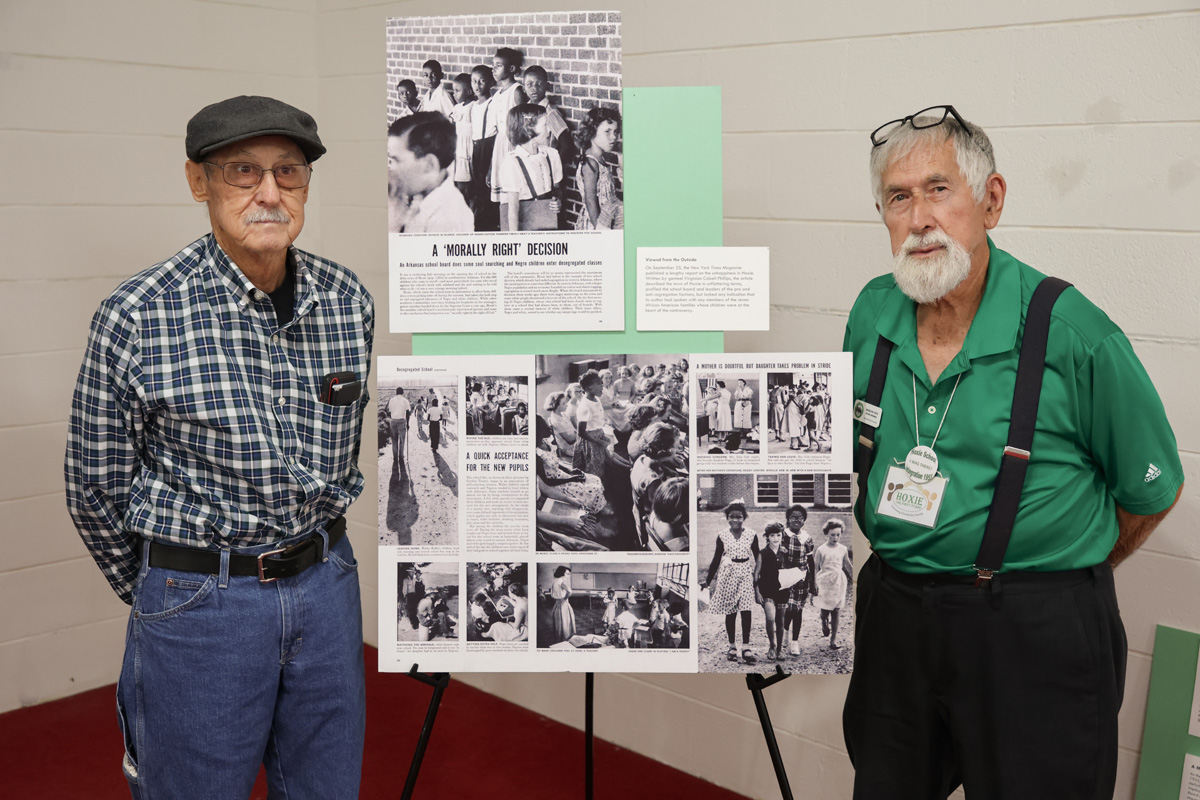
July 11 marked the 71st anniversary of Hoxie schools’ 1955 integration, and the city celebrated with an open house at Hoxie: The First Stand Museum, a space dedicated to preserving and sharing the narrative surrounding the event. Displays include historic photos, documents and timelines, including a reproduction of story that appeared in the July 25, 1955, issue of LIFE magazine.

Sharing the story of integration at Hoxie is important, but it often gets “lost in the shuffle,” said Ethel Tompkins, who serves as president of the museum’s board of directors. She was also the first African American student to graduate from Hoxie in 1961.

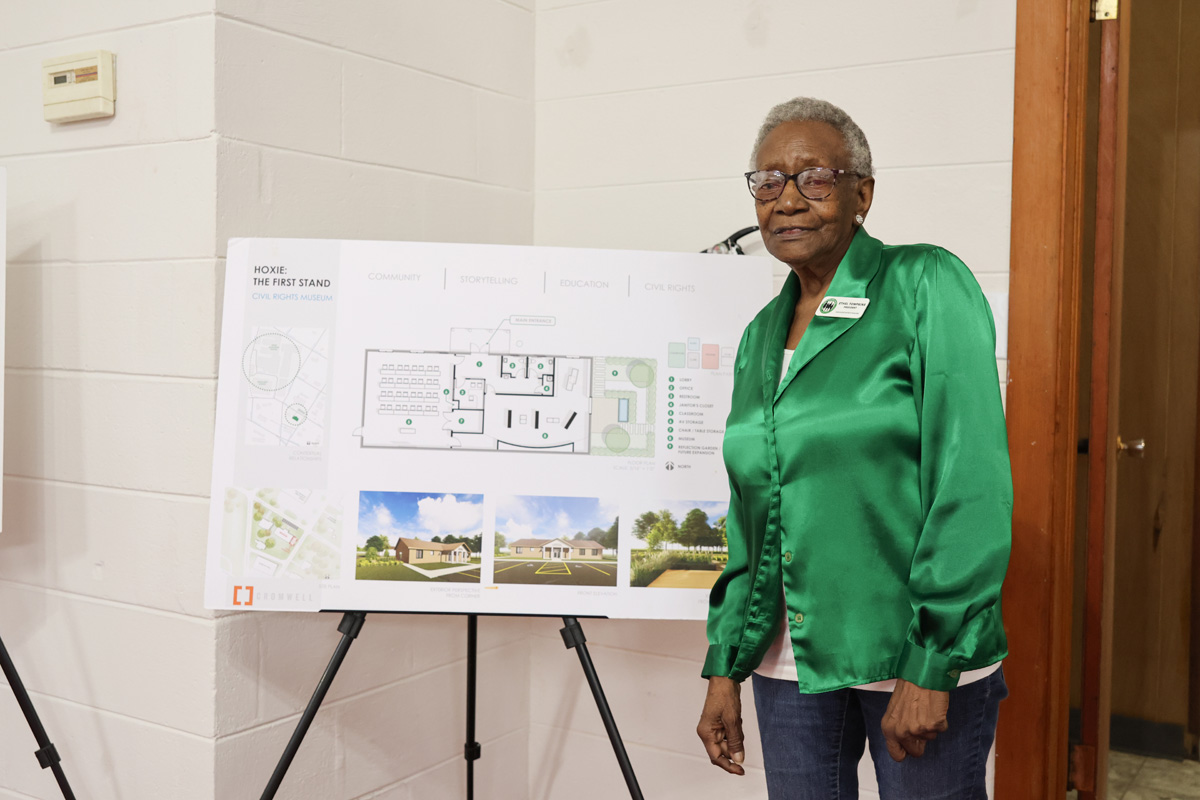
Ethel Tompkins, the first African American to graduate from Hoxie High School after the school system’s 1955 integration, is board president of Hoxie: The First Stand Museum. They hope to raise funds for a new facility on the site of the current building.

Most people, if asked about the history of desegregation in Arkansas, are probably familiar with the story of Central High School’s 1957 integration and the Little Rock Nine, which captured national attention. That is important, she said, but so is the story of Hoxie schools, which integrated two years earlier. “We have to keep pushing and getting the story out there, to let the people know that we should have our place in history, that we’re as important as Little Rock.”

Tompkins has been telling the Hoxie story since about 1995, she said, when she worked at the library. “People would come in asking for information about the Little Rock Nine, and I would give them information and say, ‘Oh, by the way, have you heard about the Hoxie school integration?’”

Hoxie: The First Stand is important to the city of Hoxie as a whole, Mayor Tim Taylor said, and he credited the hard work over several years by the board and supporters of the museum. “It’s a tremendous asset and an honor for this to be established. It brings in folks that can learn about the Hoxie stand and the history of our nation that happened right here in small-town America.”

While the museum opened with a ribbon cutting in February of this year, the building that houses it is hopefully temporary, Tompkins said. The ultimate goal is to build a new building to house the museum, and a draft architectural plan has been created. It will take time to get there, she said, because first they need funding to make some necessary repairs to the existing structure. Fundraising efforts should begin in earnest next month, she said.

The museum is open from 1 p.m. to 4 p.m. on Thursdays and 11 a.m. to 5 p.m. on the second and fourth Saturday of each month. Admission is free. For more on the museum and to learn how to contribute to the project, visit hoxiethefirststand.org.

Further Reading