Workplace violence is on the rise across industries. According to the U.S. Department of Labor’s Occupational Safety and Health Administration (OSHA), workplace violence encompasses any act or threat of physical violence, harassment, intimidation or other threatening behavior that occurs at the worksite. This includes verbal abuse, threats, physical assaults—and even homicide.
In 2023, the Bureau of Labor Statistics reported 740 fatalities due to violent acts in the workplace. That’s not just a statistic—it represents 740 lives lost, families devastated, and communities forever changed.
Certain professions are especially vulnerable:
- Employees who handle cash transactions
- Delivery drivers, taxi and ride-share workers
- Health care professionals and public service employees
- Law enforcement officers and customer service representatives
- Individuals working alone or in small teams
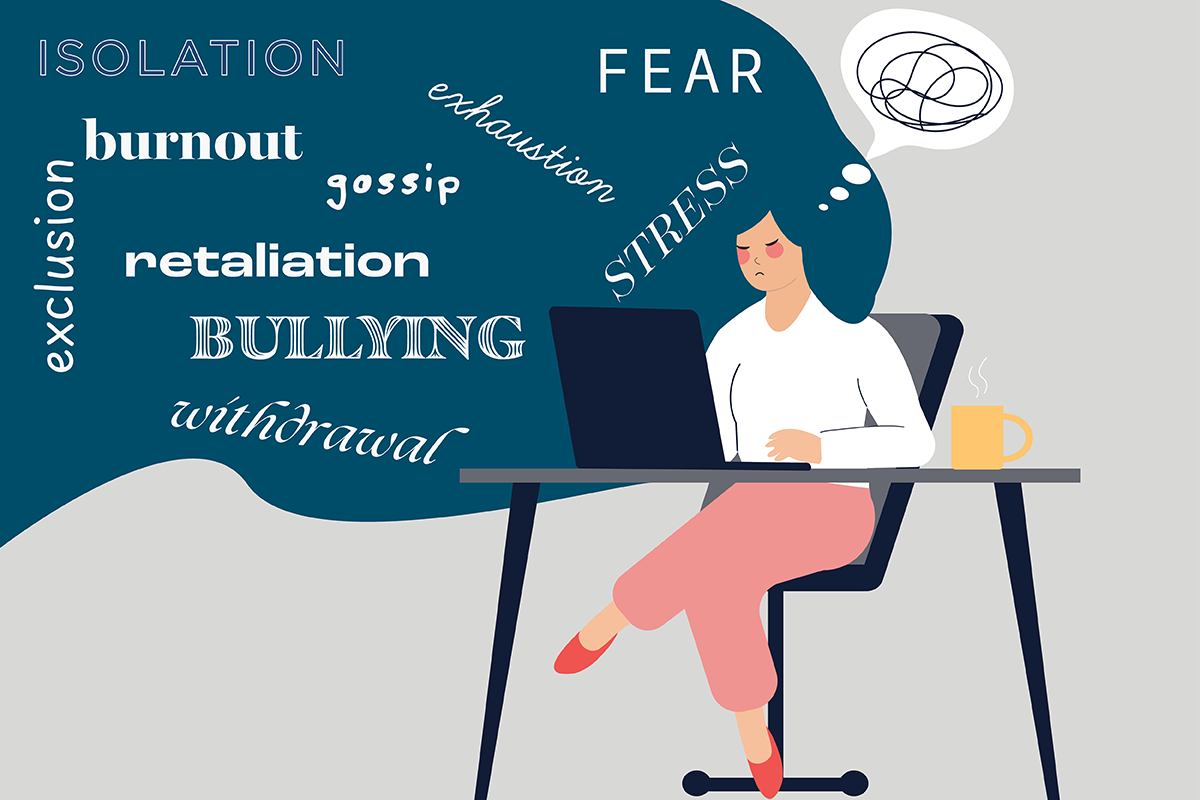
However, violence isn’t the only threat. A quieter, more insidious danger exists: incivility. Rudeness, exclusion, bullying and toxic behavior may not make headlines, but they silently erode safety, morale and productivity.
According to the Society for Human Resource Management’s Civility Index (December 2024), U.S. organizations lose $2.3 billion per day in productivity due to incivility. The numbers are probably much higher because the figures only reflect reported incidents.
The true cost is even greater. Incivility contributes to:
- Increased health care claims due to stress and anxiety
- Workers compensation claims from distracted or agitated employees
- Property and vehicle accidents caused by lack of focus
- Legal expenses from EEOC claims, lawsuits and turnover
- Intangible losses: low morale, reduced innovation, reputational damage and cultural decline
Research consistently shows that employees exposed to bullying or incivility are significantly more likely to be involved in workplace accidents. Why? Because toxic behavior affects both the brain and body:
- Stress reduces concentration and situational awareness.
- Cognitive function declines, impairing decision-making.
- Emotional exhaustion leads to burnout and fatigue.
- Fear of retaliation silences employees, preventing them from reporting unsafe conditions.
- Isolation undermines team safety, especially in high-risk environments.
Add to this the current social and political climate—heightened tensions, economic uncertainty and polarized discourse—and you have a perfect storm. Every organization should be asking: Are our health care, workers compensation, legal and property costs increasing? Are our employees truly safe physically, mentally and emotionally?
Let’s not overlook OSHA’s General Duty Clause. Under the Occupational Safety and Health Act, employers are required to provide a workplace “free from recognized hazards that are causing or likely to cause death or serious harm.” Courts have interpreted this to include workplace violence and potentially repeated and severe bullying. Arkansas Occupational Safety and Health has similar standards.
So yes, workplace behavior is a safety issue. And it’s costing us money, employees and lives.
What can employers do?
Beyond standard safety protocols such as comprehensive policies, regular risk assessments, safety training, and providing appropriate personal protective equipment (PPE), employers must also foster a culture of open communication. Employees should feel empowered to report hazards and actively participate in safety planning.
It’s time to prioritize psychological safety. Psychological safety isn’t just a trendy phrase. It’s about creating an environment where employees feel safe to take interpersonal risks—like speaking up with ideas, questions or concerns—without fear of punishment, humiliation or negative consequences. When employees feel valued and supported, they are more likely to be authentic, engaged and productive.
The benefits of psychological safety are clear, according to the American Psychological Association:
- Up to 76% increase in employee engagement
- 50% boost in productivity
- 27% reduction in turnover
- 74% decrease in employee stress
- 67% of employees are more likely to apply newly learned skills.
- What organization wouldn’t want these results? In contrast, in workplaces lacking psychological safety:
- 63% of employees don’t feel comfortable sharing opinions or being themselves.
- 50% report that their managers fail to foster psychological safety.
These statistics underscore the need to invest in leadership development. Managers must be equipped with knowledge and tools to create environments where employees can grow, thrive and contribute meaningfully.
Still not convinced? The National Safety Council found a strong link between psychological and physical safety. In-person workers who felt psychologically unsafe had an injury rate of 36.5% compared to 20.2% among those who felt safe, a 16.3% difference that translates into real lives, and real dollars.
Getting started: Building psychological safety
While a full guide is beyond the scope of this article, here are a few actionable steps to begin the journey:
For leaders:
- Model vulnerability.
- Encourage all voices.
- Reframe failure as a learning opportunity.
- Respond calmly and with curiosity.
- Promote inclusive communication.
- Invest in training for managers, supervisors and staff.
For all employees:
- Practice active and empathetic listening.
- Address issues directly and respectfully.
- Assume positive intent.
- Ask questions and offer help.
- Foster a sense of belonging.
To learn more, I highly recommend The Fearless Organization: Creating Psychological Safety in the Workplace for Learning, Innovation, and Growth by Amy C. Edmondson.
As always, the League is here to support your city or town. Please don’t hesitate to reach out if I can be of assistance.