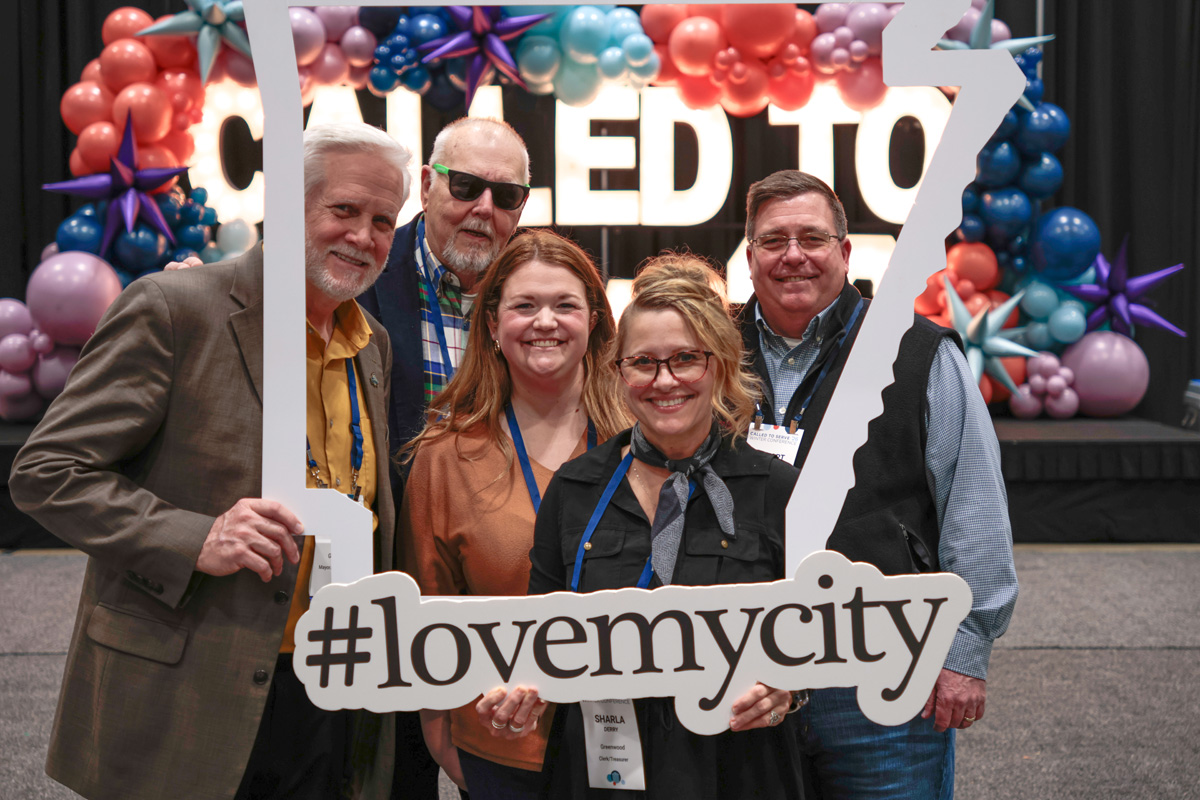
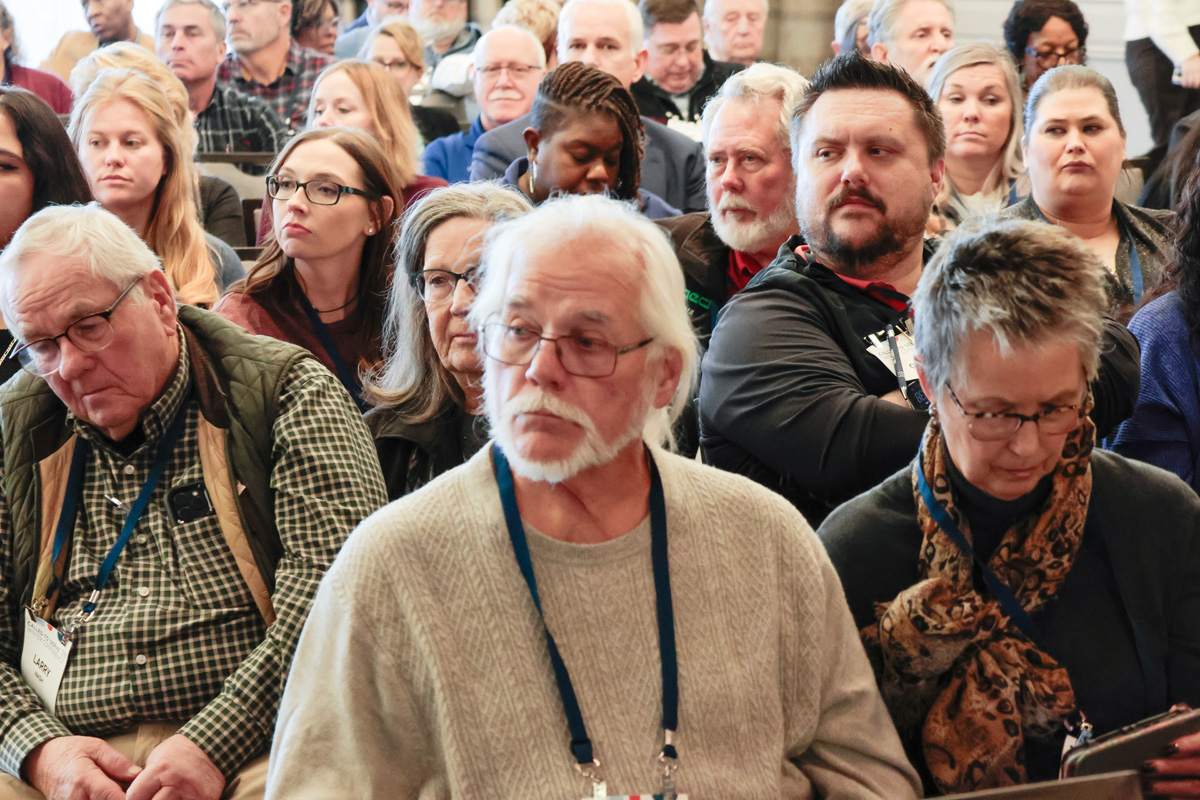
City and town leaders from across the state convened at the Little Rock Marriott and Statehouse Convention Center January 14-16 for the Called to Serve ’26, the Arkansas Municipal League’s 2026 Winter Conference, which offered sessions covering some of the most pressing municipal issues.
Participation was strong at the conference, with 799 mayors, council members, city clerks, department heads and other municipal officials representing 174 cities and towns in attendance. Total attendance topped 1,300. The exhibition hall was busy as well, with 117 sponsor and exhibitors offering information and services to the League membership.
Conference general sessions covered legislative changes made during last year’s 95th General Assembly of the Arkansas Legislature that affect local government, particularly in the realm of land use and regulatory frameworks. And in what has become a tradition at League winter conferences and annual conventions, the Arkansas Legislature’s Joint City, County and Local Affairs Committee met during the event, where they discussed housing and land use issues with municipal leaders and stakeholders.
The League also welcomed Sen. Jonathan Dismang and Rep. Howard Beaty, who discussed the potential boost in economic development should the state’s voters approve Issue 3 in November’s General Election. The League membership passed a resolution supporting the issue during the 2025 Annual Convention, and Executive Director Mark Hayes praised the potential flexibility of the amendment, which could benefit different cities in different ways, he said, whether it’s incentivizing workforce housing to support the northeast Arkansas steel industry or improving amenities and the quality of life for the burgeoning lithium boom in southwest Arkansas.
Called to Serve ‘26 included 10 breakout sessions on Thursday, January 15 covering topics such as building inspectors and fire safety, municipal audit best practices, the basics of parliamentary procedure, budgeting, and an update on the implementation and impact of the Arkansas Opioid Recovery Partnership’s work to provide resources supporting addiction prevention, treatment and recovery efforts across the state.
During the conference-closing Inspire Breakfast on the morning of Friday, January 16, the League welcomed special guest speaker General Wesley Clark, who shared his thoughts on restoring civility through civic education and respectful dialogue.
The Arkansas City Clerks, Recorders and Treasurers Association and the Arkansas City Attorneys Association each offered training during the conference. The ACCRTA presented new clerk orientation training on the opening Wednesday of Called to Serve ‘26, and the ACAA offered 12 hours of continuing legal education over the course of two days. New for 2026 was a municipal technology training track on Thursday, January 15. Tailored to city and town IT professionals, the training covered cybersecurity, incident response and other key tech issues.
Key Sessions & Takeaways

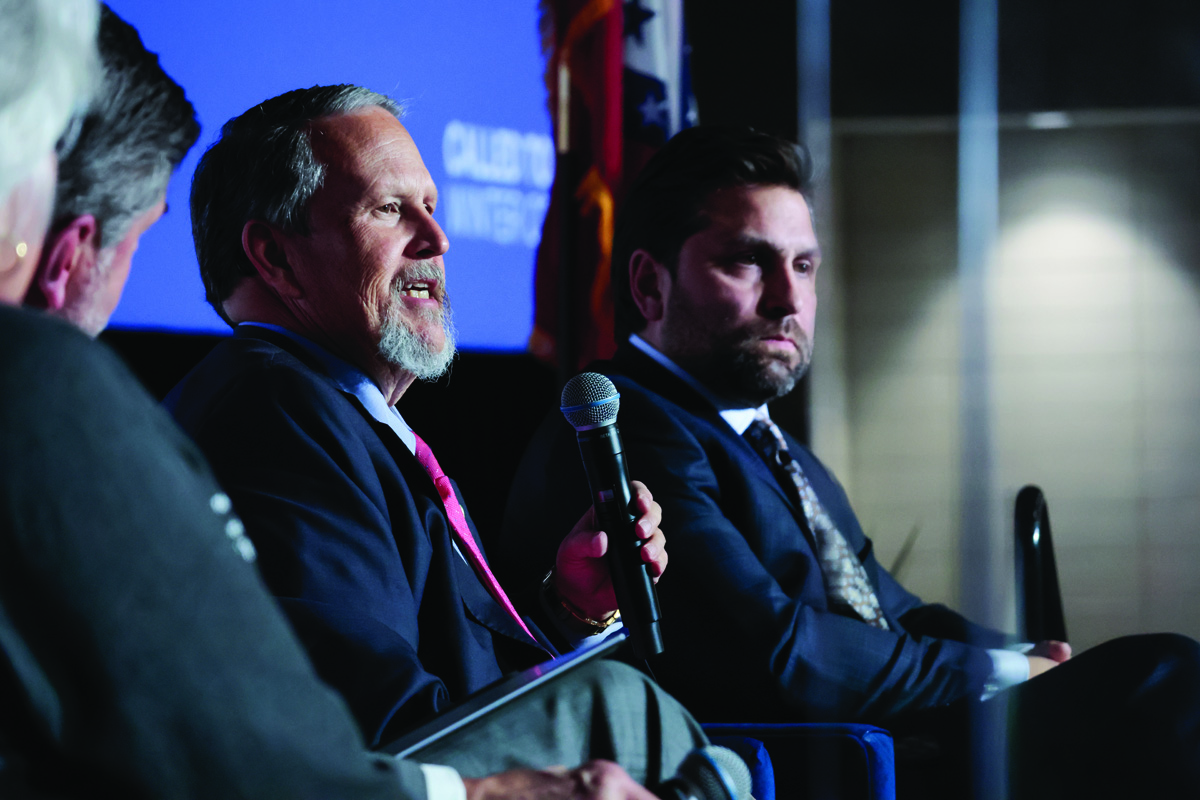
In November’s General Election, Arkansas voters will decide Issue 3, a constitutional amendment that would give local governments more tools to promote economic development, including retail, through the creation of Economic Development Districts. On Thursday, January 15, the amendment’s sponsors, Sen. Jonathan Dismang and Rep. Howard Beaty shared their thoughts on how its passage could boost local economies here the way similar legislation and development authority have in other states. Arkansas is the only state besides Arizona without similar local incentives, Dismang (above left) said, and it puts Arkansas communities at a disadvantage. “When we’re talking about competing for dollars and investments, particularly when we’re talking about housing or retail or whatever it may be, we just do not have any of the tools that our neighbors have.” You don’t have to travel far for examples, he said. “Who’s driven to Dallas lately? Do you see the difference? You’ve got to scratch your head: Well why are they able to attract all of that business on the Texarkana side in Texas and not in Arkansas?” They have the incentives Issue 3 would provide us, Dismang said.
Rep. Howard Beaty (above right) said that cities and towns wouldn’t be required to do anything, but that the new tools would be there should the community decide to use them, and how it is used will look different depending on local needs. “I want to stress that it is an opportunity for you to have a tool for what you need and what you want in your community, but it’s incumbent upon the communities to know what they need and what they want.” He doesn’t expect any large-scale, organized opposition, he said, but there are naysayers who’ve said it will lead to cronyism or that it’s corporate welfare. Beaty is confident that cities and towns, particularly rural communities, will recognize the opportunity Issue 3 presents. “You were elected by the constituents and the folks in your community. They trust you and they entrusted you. We’ll always have some bad actors, but I have faith and confidence that you know what’s best for your community, and this is going to empower you to do that.” For more information about Issue 3, read General Counsel and Legislative Director John Wilkerson’s article, “Issue 3: Unlocking Opportunity for Community Development in Arkansas” here and on page 46 of the Winter 2026 issue of City & Town.
League Executive Director Mark Hayes thanked the members of the Joint City, County and Local Affairs Committee for holding its January meeting at the outset of the Winter Conference and in the presence of many of their constituents. “This is an interactive process that I think the membership has really come to enjoy and understand better the importance of this committee,” he said. “From our standpoint there is no more important committee than this one. It is the policymaker for local government, and from that perspective it sets the tone for city government.”
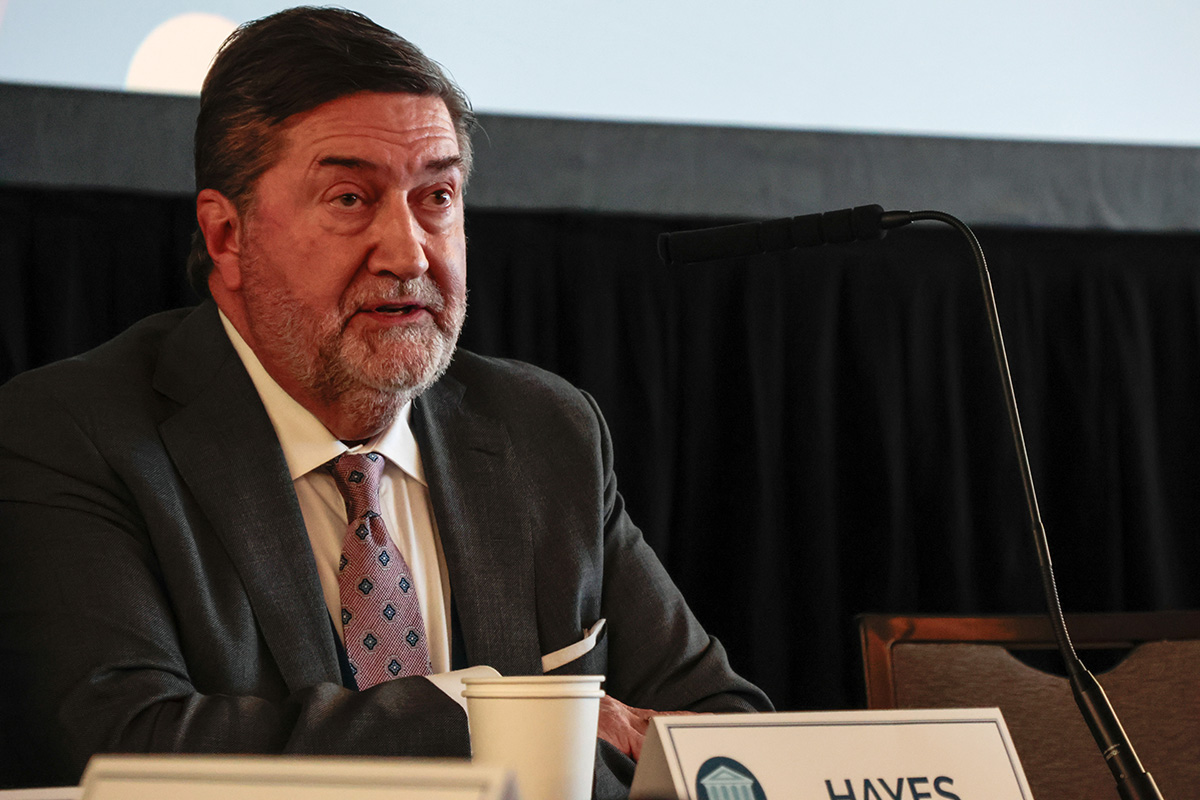
The League has historically been and will remain committed to working with the committee and other partners at the county and state level to improve Arkansas’ cities and towns, Hayes (left) said. “We’ve had a wonderful, long-term relationship doing that, and I think for the most part it’s been positive and productive.”
Several laws passed during last year’s legislative session affect local land use regulatory authority, and sharing perspectives on ways the levels of government, developers and other stakeholders can work together dominated the discussion. The issue of housing is “fundamentally important” to the state and its cities and towns, and it’s essential that we work together, said League General Counsel and Legislative Director John Wilkerson. “We’re looking to build on successes and adapt to the new environment, and none of us can do it alone,” he said. With regular meetings at the League’s headquarters and a series of regional meetings across the state, the issue has been a focus, Wilkerson said. “We kept that conversation going, and we’re going to do that in 2026 as well.”
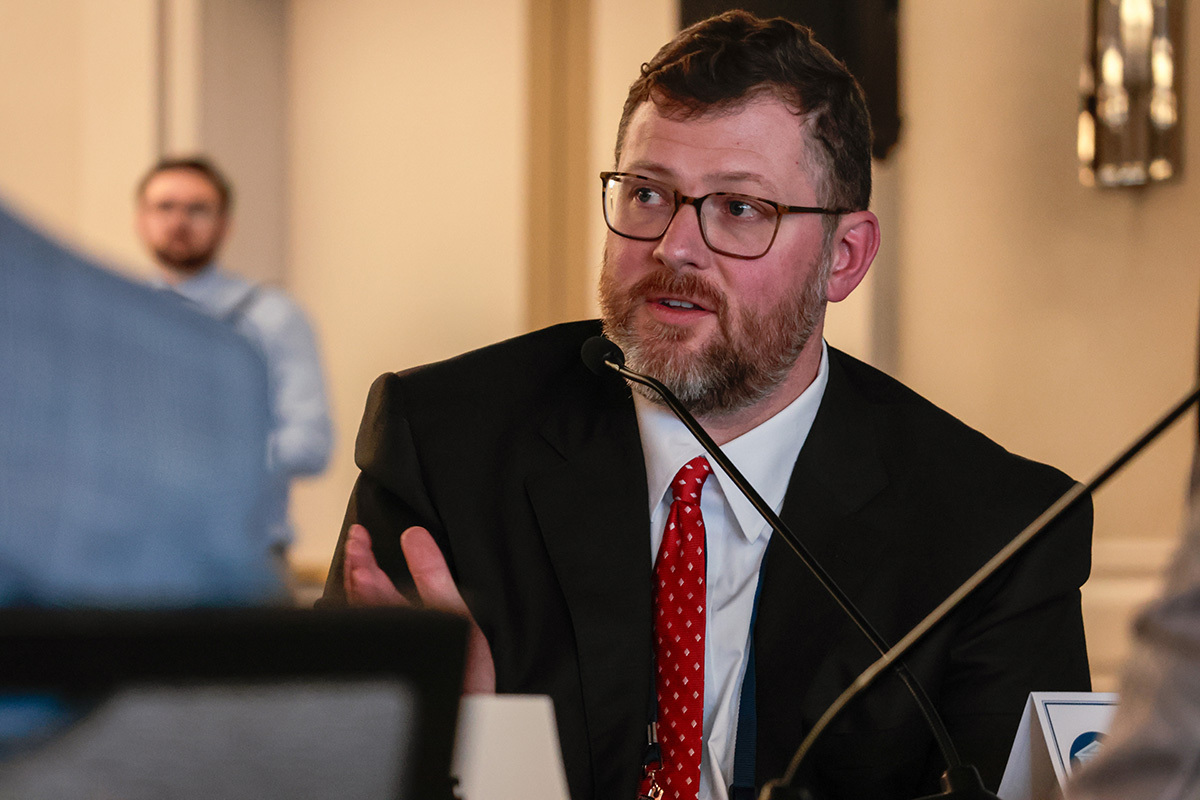
In a legislative effort to expand housing options, Act 313 of 2025 limits cities’ ability to regulate accessory dwelling units, or ADUs. “In terms of implementation of the bill, this is one where we’ve not seen a lot of strain,” said James Walden, Garver’s urban planning leader. “It’s been relatively easy, and a number of cities have passed ordinances and amendments to zoning codes to accommodate the ADUs per the changes in state law.” More cities will likely follow suit, he said. Modern housing policy should reflect modern families’ needs, Walden added. “The structure of what the typical family is changing, and so much of our housing stock and the supply that we have is constructed for the way that families looked 20, 30 years ago and not necessarily the way that families look going forward,” he said. “We really have to have a housing supply that represents the real needs of people in our state, and not the perceived ones, where every single person is going to be living in a three-bedroom, two-bath, 3,000-square-foot home. That’s just not realistic.”
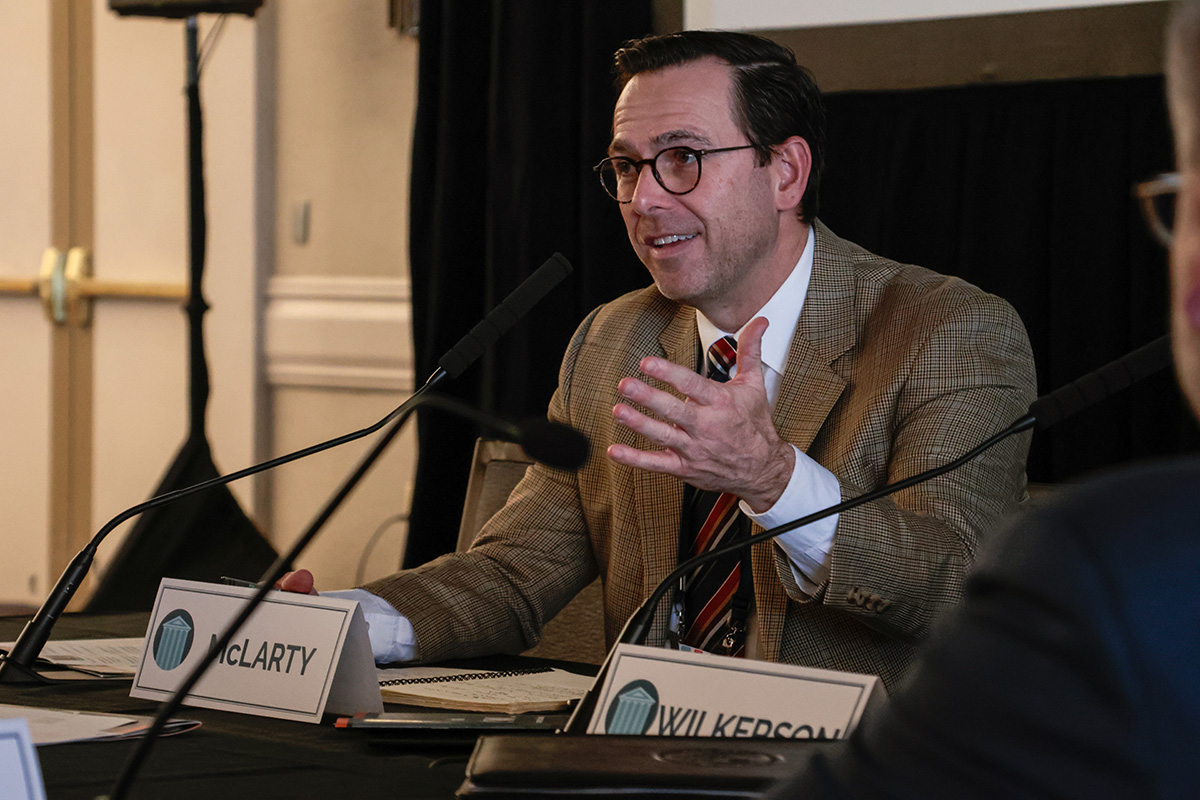
Duke McLarty, executive director of Groundwork, addressed the challenge of “missing middle housing,” which describes housing options that are between single-family homes and apartment buildings. After World War II, most residential-zoned land in cities was limited to single-family housing, he said. “This made this missing middle housing typology really constrained to very few areas where it was even allowed to be built. A national trend is to allow for this housing type, just in more areas as a way to promote the development community and encourage the development community to go back to building this housing type.” In 2024, McLarty was appointed to the National Housing Crisis Task Force, a group tasked with studying innovations in housing production across the country. At Groundwork, he works with community partners across Arkansas to develop and advocate for housing solutions and to help cities and towns grow with intention.
The 2025 legislative session resulted in new challenges for cities and towns, particularly in the areas of land use regulation and planning and zoning, and League General Counsel and Legislative Director John Wilkerson led a general session Thursday, January 15, covering how cities and towns can rethink their approach to these issues and move forward with confidence.
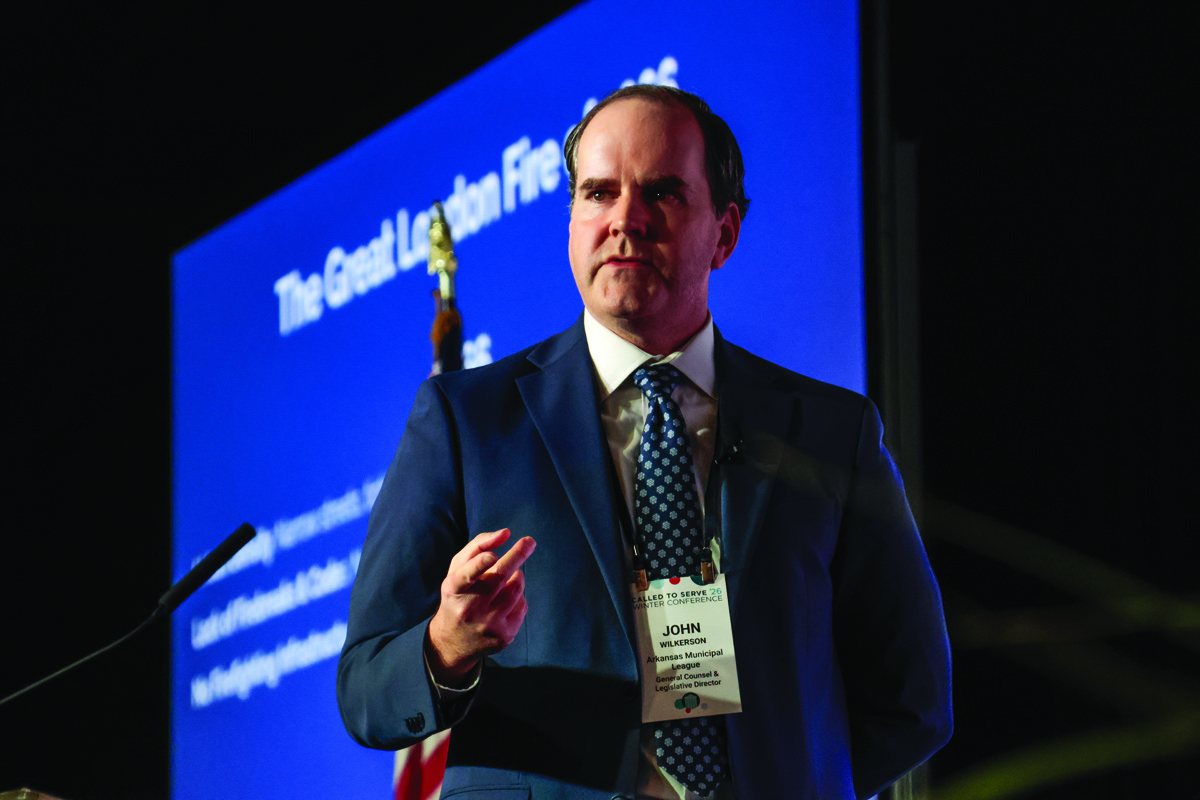
“You are made for this time, and this is our purpose,” he said. “We are the future. We know this. It is just a fact.” Whether it’s economic development, housing, infrastructure, building inspections (a “very hot topic”) or neglected properties, being at the table is fundamental.
The legislature doesn’t stop and neither can cities, Wilkerson said, and he introduced the “See you in 2027” initiative ahead of the 96th General Assembly. It has three parts, he said. Step 1: Educate ourselves. Step 2: Workshop and brainstorm. Step 3: Bring ideas to the table. “This is our time to come up with ideas and say this is what we want, this is how we think the state should move forward,” Wilkerson (above) said. “Or, it could be something like this is what we don’t want. We see this coming down the pike. We want to make sure you, state legislators, know that this impacts us in ways you probably don’t understand, but let me help you understand.”
Also on Thursday, participants in the League’s Arkansas Civic Education Program earned 853 ACE Hub credits during a series of concurrent breakout sessions. Debuting at the conference was a new Foundations Track of three breakout sessions designed specifically for those new to municipal government and covering essential topics like the sources of municipal revenue, basic parliamentary procedure to help public meetings run smoothly and with transparency, and an overview of the statutory duties of elected officials and the roles they play in city hall.
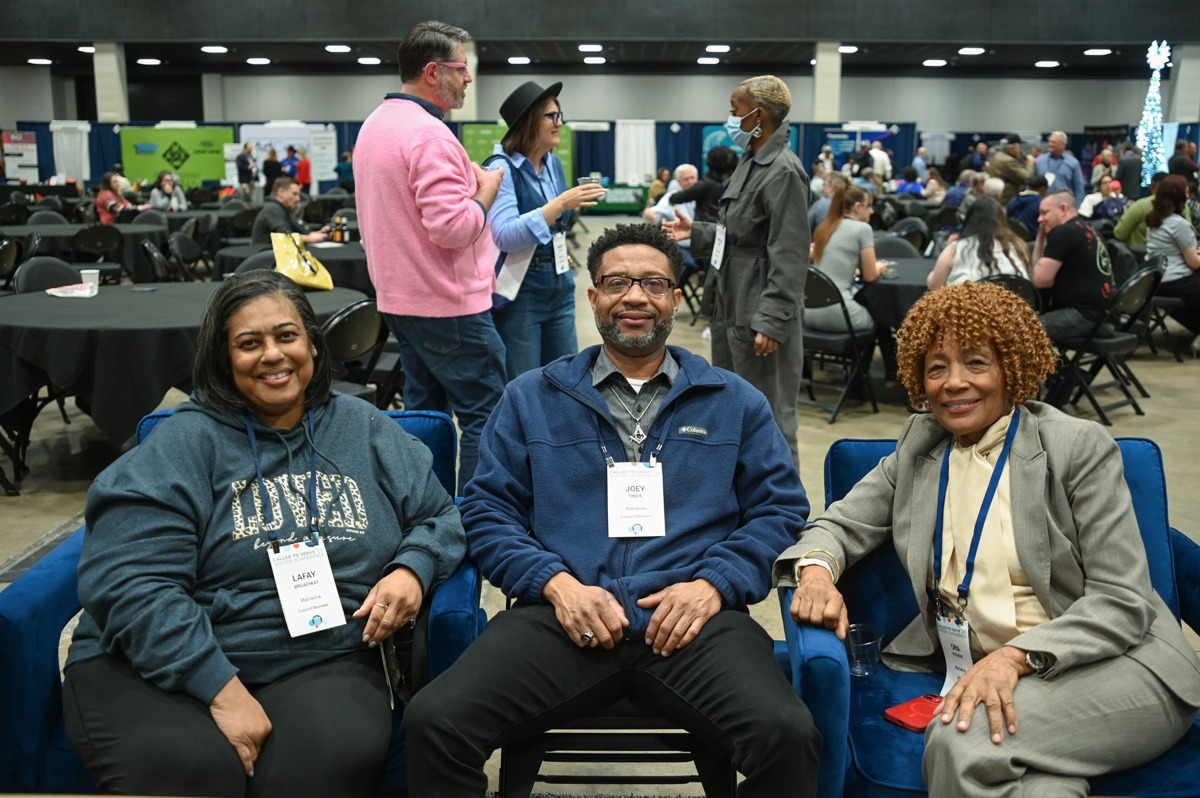
The Finance Track of breakout sessions featured training tailored to city and town treasurers and finance officers. In Municipal Budgets from Start to Finish: A Practical Guide, experienced city officials led training on the best practices of building an annual municipal budget that aligns with community goals and is compliant with state law. Audit-Ready: Best Practices for Municipal Audit Success used the top 10 most frequent findings by Legislative Audit to examine how to avoid them and strengthen financial practices in local government.
These and other conference breakout sessions are available online to members registered with the ACE Program. To register and to learn more about these and the many other learning opportunities available on the ACE Hub, visit the Resources & Education page on the League’s website.
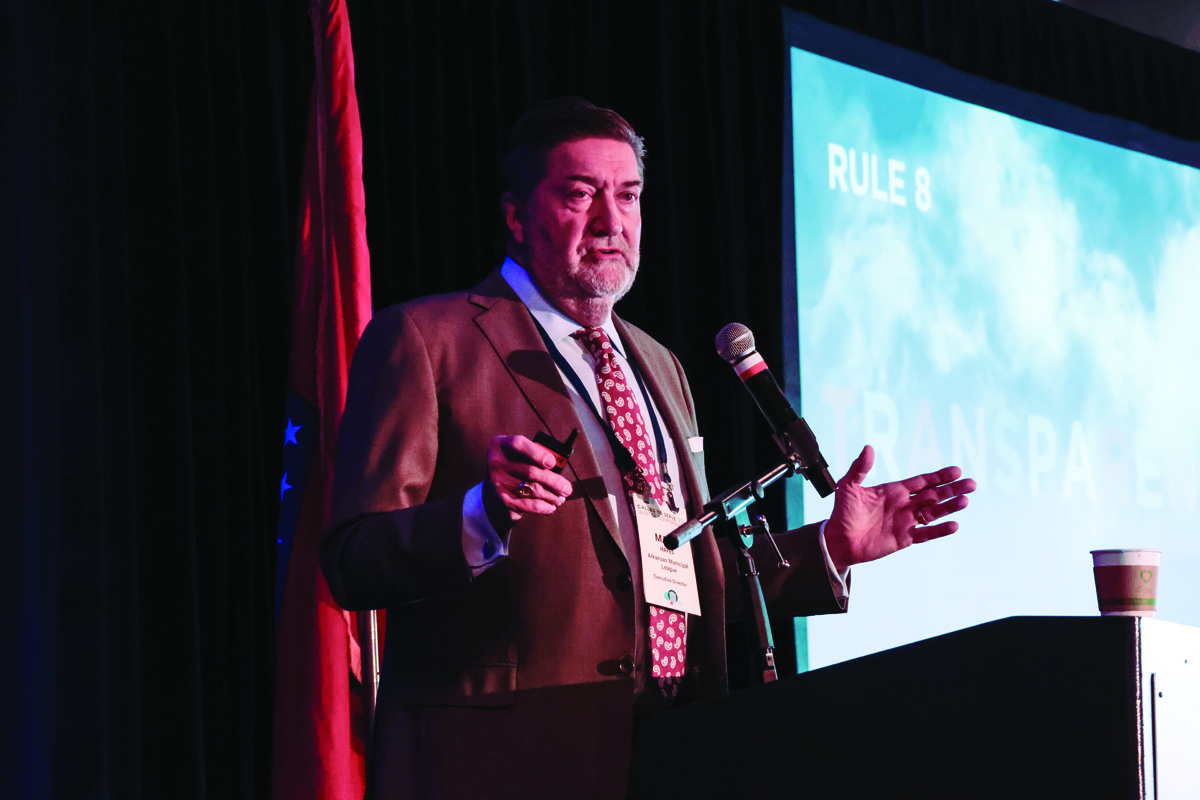
Before Called to Serve ‘26 conference-goers headed home on Friday, Mark Hayes (above left) offered some important know-before-you-go reminders, including state statutes governing the city or town council’s first meeting of the year, what must be established during that meeting and other aspects of getting organized and staying in compliance for the year ahead. With so much new state-level legislation passed recently that affects local governments and with more to come, he encouraged the membership to stay active in the advocacy process. “You have got to know your legislators. You have to stay connected. You have to stay informed,” Hayes said. He reiterated that while the League’s legislative advocacy team does strong work, the voices of city and town leaders is vital. “Our legislative team can talk ‘til we’re blue in the face, but when you talk to your legislators, things get done,” He said. “So, you’re the key to it. Stay engaged.”
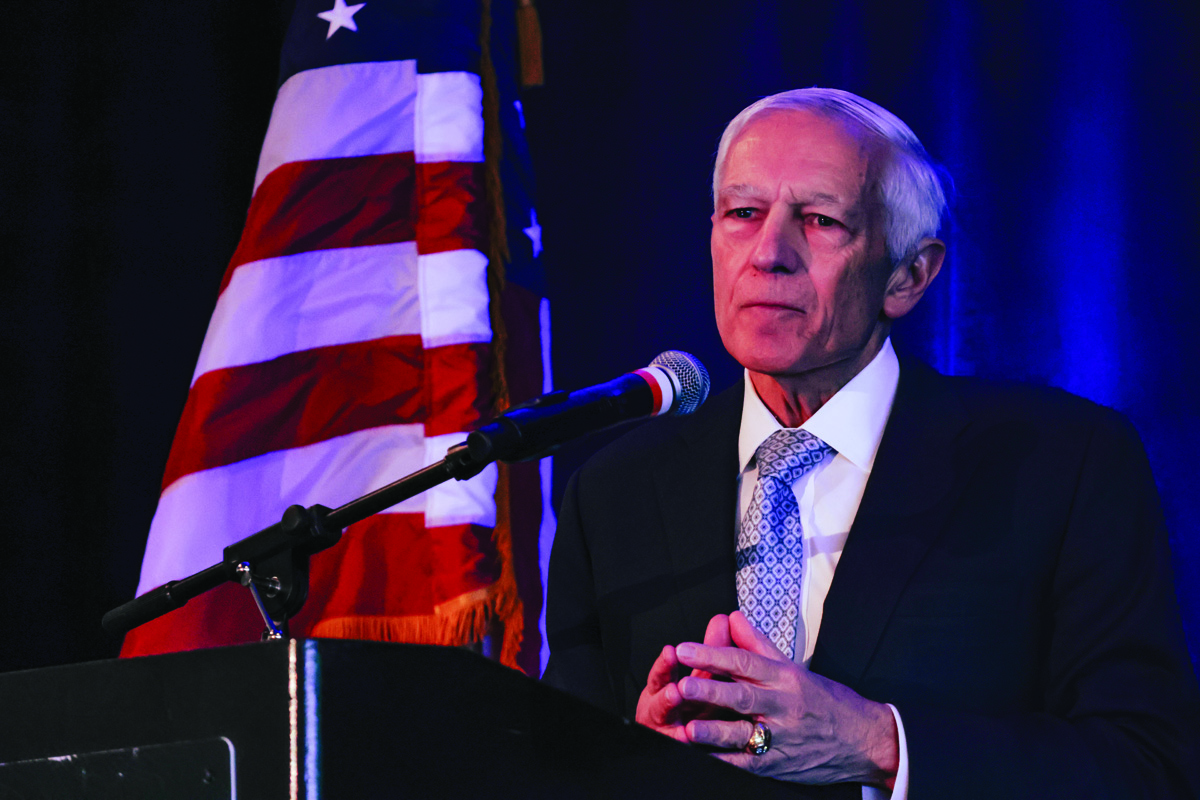
For the conference-closing Inspire Breakfast on Friday, January 16, the League was honored to host General Wesley Clark (above right), who spent a large portion of his childhood in Little Rock and graduated from Hall High School before beginning his military career at West Point. After more than four decades of a distinguished military career, he is now a teacher, writer, and an advocate for a stronger and more civil society. Visiting with city and town leaders is “a thrill,” General Clark said. “You are the foundation of American democracy. Democracy starts at the bottom, and this municipal league is the epitome of everything that America stands for.”
Speaking as a student of history, General Clark provided his perspective on the last several decades of international politics and this country’s place in the world before turning to the shifting political cycles at home. In today’s divisive climate, he encouraged attendees to remember that differences of opinion are part of a robust democratic process if expressed with civility and respect. “That’s how Hitler took over in Germany, when people gave up on the idea that there are legitimate differences of interests and opinions, and that these differences of opinion have to be talked about and rationalized, and people have to compromise, and you can’t always have your own way in everything, and there’s not a single best way in most cases,” General Clark said, receiving a round of applause from city and town officials.
More Called to Serve '26 coverage, right this way!
Check out this year's Engage Arkansas Volunteer Community of the Year and Arkansas Business Publishing Group's Trendsetter City Award recipients.