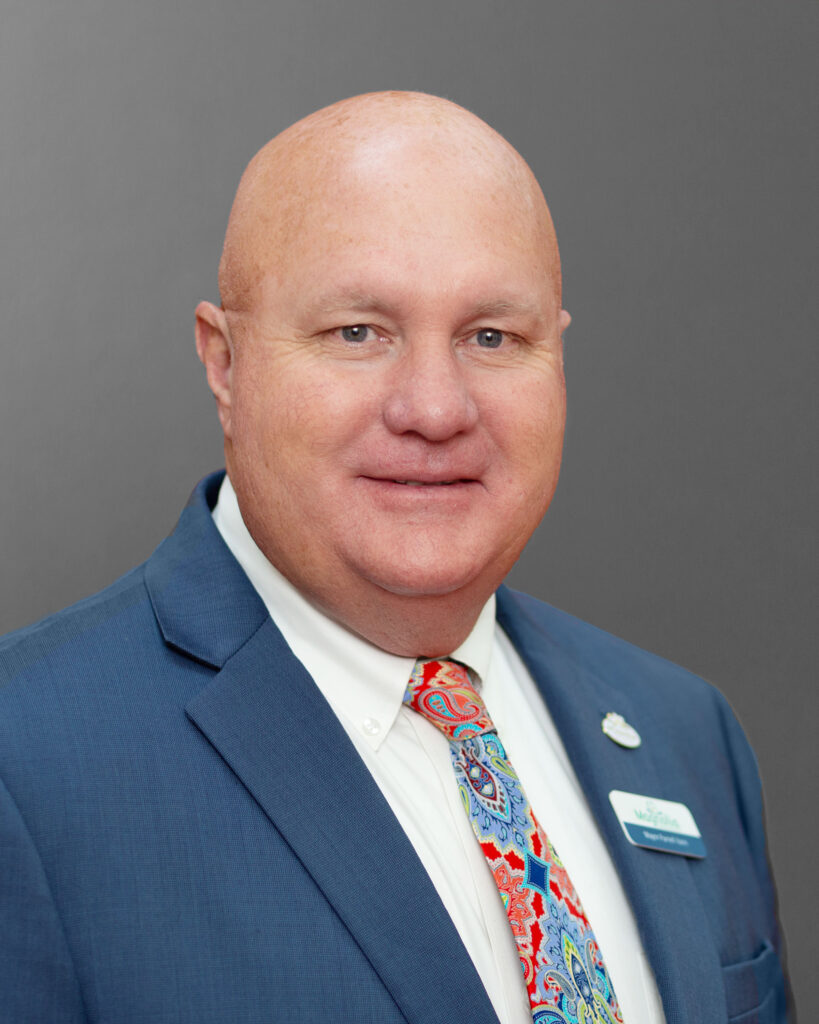
El Dorado Mayor Paul Choate says the story of his city is one of reinvention, and increasingly, one centered on quality of life. Mayor Choate sees parks and recreation as essential tools for the community’s future.
“El Dorado was founded in 1843. It was an agricultural, timber-based community until 1921 when oil was discovered just to the southwest of the city,” Choate said. “Overnight, south Arkansas saw the oil boom. We’re still pumping oil today.” The brine coming from those oil fields has helped spark a new industry. “That saltwater has found a new meaning,” he said. “We’ve become a petrochemical center, and now with lithium being found in the brine, we’re redefining ourselves every day.”
But economic development is only one part of the city’s strategy. Choate says the other piece is building a place where young families want to live. “That’s the great scheme of things: What do you offer to draw young families to the community?” he said.
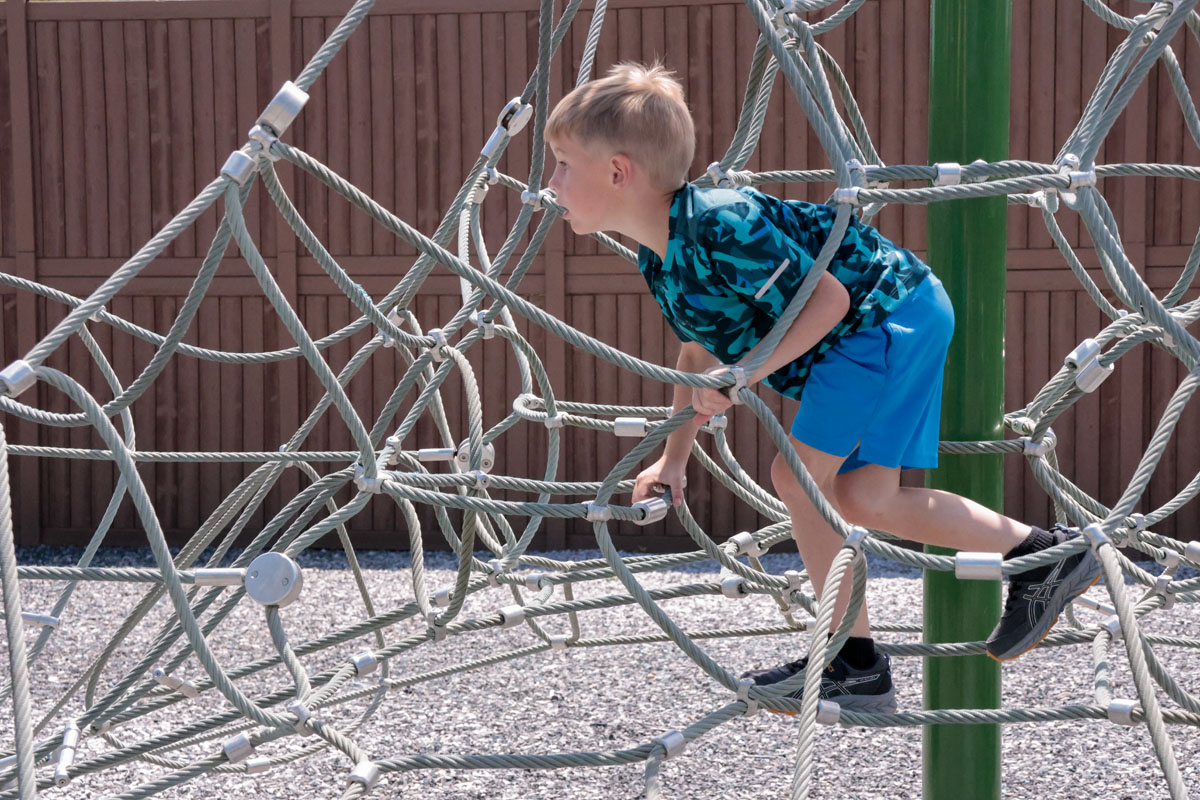
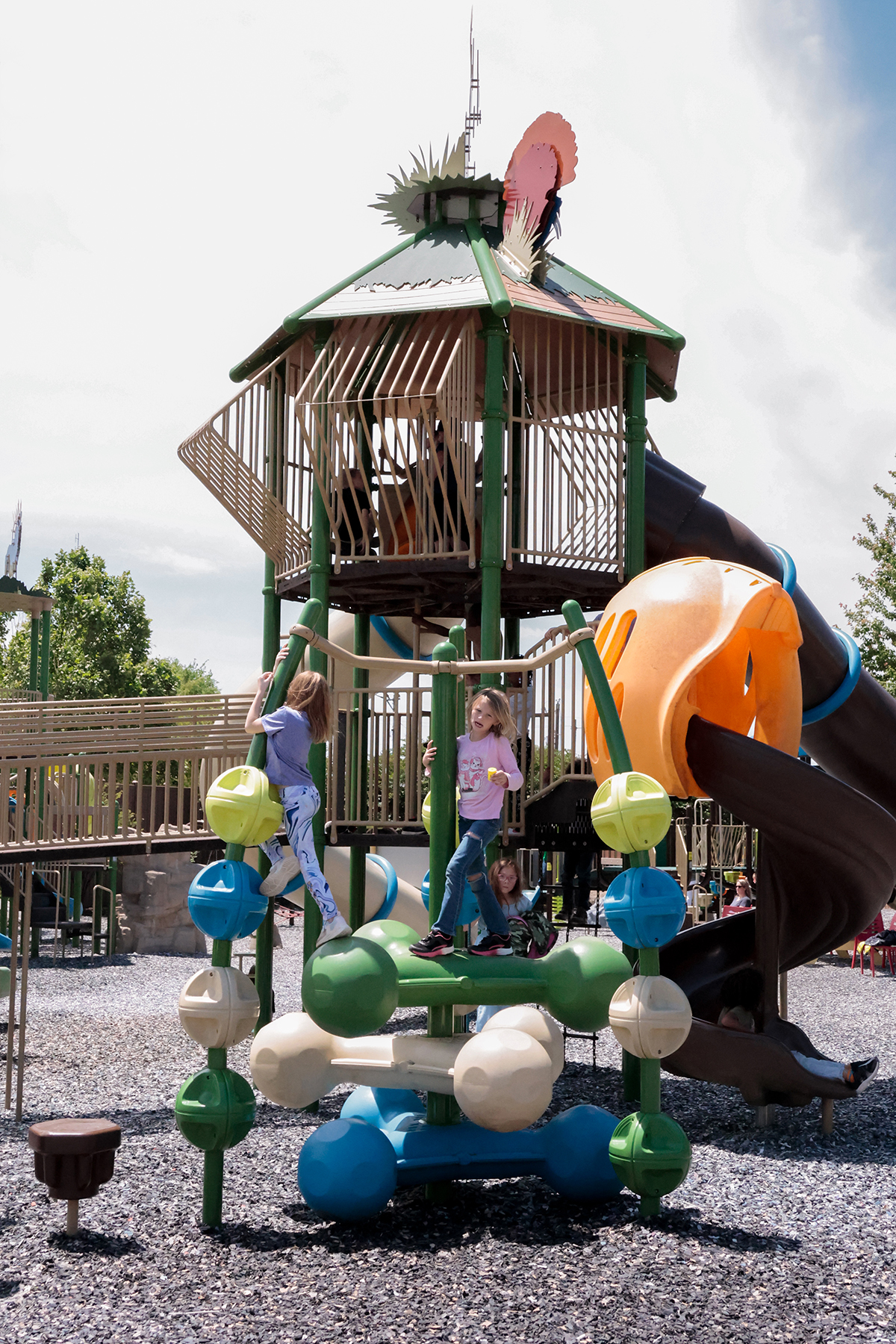
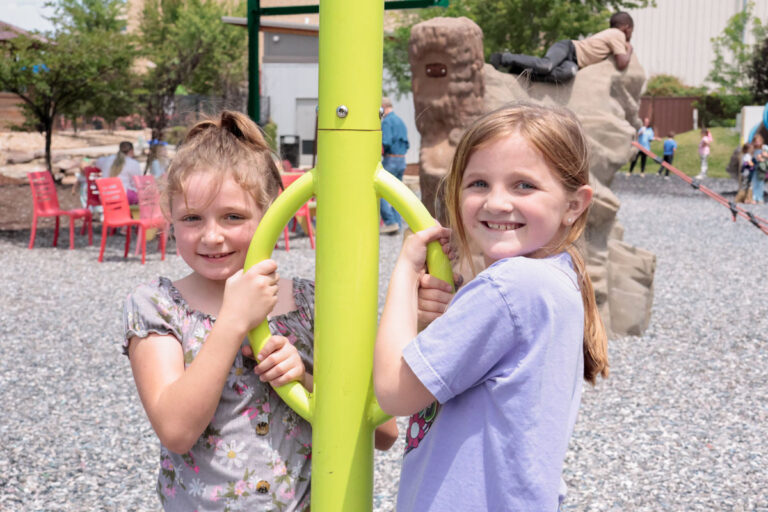
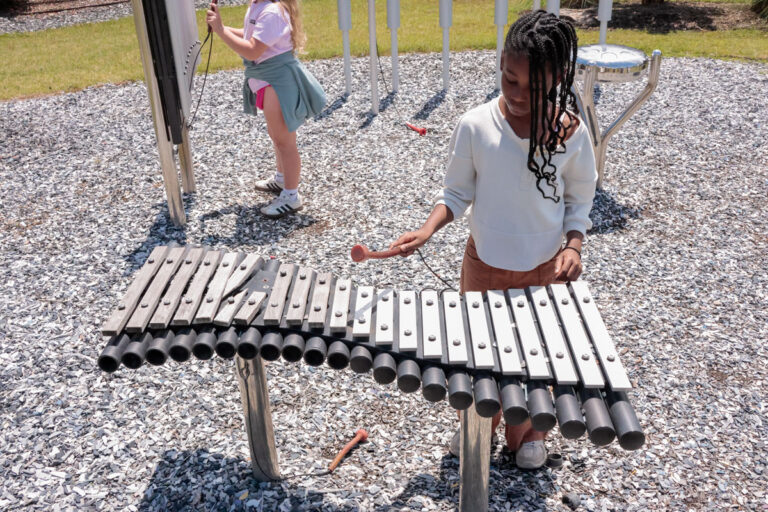
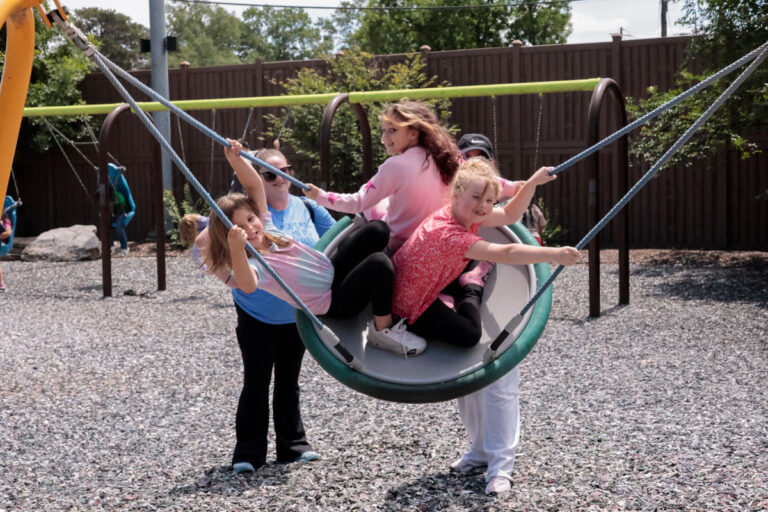
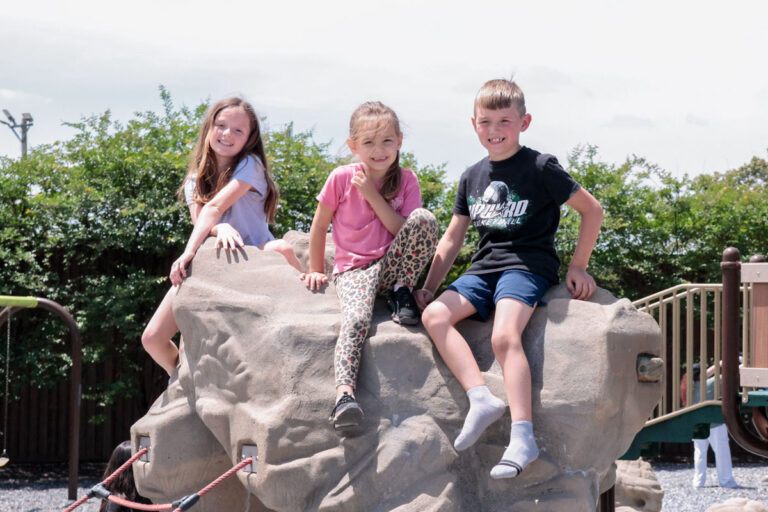
One answer, he believes, sits in the heart of the Murphy Arts District: the city-owned, district operated Playscape and splash pad.
“We have a very nice playground. It’s the only playground in the city that’s fully fenced and has limited access through gates,” Choate said. “Whenever it’s open, there’s an attendant there.”
Beside the playground, the splash pad runs for about 100 days each summer, drawing steady crowds. “We’ve seen counts in excess of 30,000 visitors to this park space on a year-round count,” he said. “During the summer and spring break especially, it’s a destination.”
The Playscape has become a blueprint for how he wants all parks to be in El Dorado. “To me, it’s the model for our city,” Choate said. “When you come to El Dorado and you want to go to a park and feel safe and comfortable, we want to make sure we have those spaces.”
The city recently renewed a 1-cent sales tax and developed a master plan for parks. “Over the next three to five years, we’ll spend somewhere north of 3 to 5 million dollars,” Choate said. “We’re upgrading every park in town. One of the things we’re looking at is trying to do restrooms in virtually every city park.”
The added sense of security at the Playscape is especially important to families. “Parents really take the safety of their children to heart,” Choate said. “An attended park gives our citizens a choice most communities do not have.”
For Choate, investments like the Playscape, the master parks plan and even new projects like a $7 million equestrian arena all point in the same direction: a community working together.
“When the parks are full, when the community supports these efforts, it makes me feel like we’re succeeding,” he said. “We’re delivering on the promises we need to make.”
He emphasized that the progress is something everyone shares. “It’s not my success. It’s the success of the people of this community,” he said. “Every time we get something right, it’s not me. It’s us. It’s everybody participating.”

About this Series
State of Play is a new series that explores how Arkansas cities and towns are investing in active, healthy lifestyles for their residents. From trail systems and bike infrastructure to parks, wellness programs and community design, each installment highlights local leaders and bold ideas reshaping what it means to live well in Arkansas. Sponsored by Municipal Health, State of Play celebrates the places where movement meets momentum.